

31 patterns
Crochet Blanket Patterns for Every Size and Skill Level
Crochet blanket patterns range from quick chunky throws to heirloom afghans. Beginners should start with a one-stitch design, such as moss stitch or rows of double crochet, in worsted or bulky yarn. A standard throw measures about 50 × 60 inches and uses roughly 1,200–2,000 yards, depending on yarn weight and stitch density.
By the crochetpatterns.io editorial team · Reviewed · Editorial policy
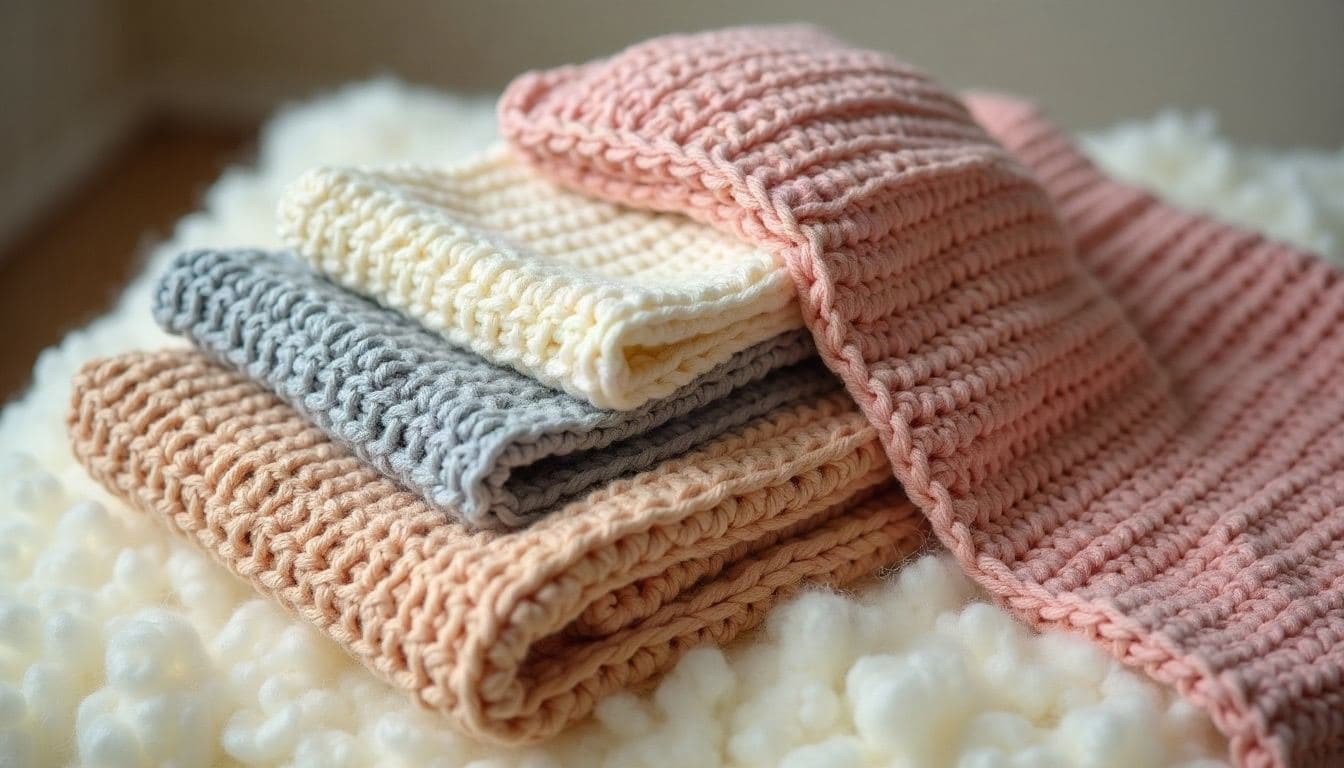
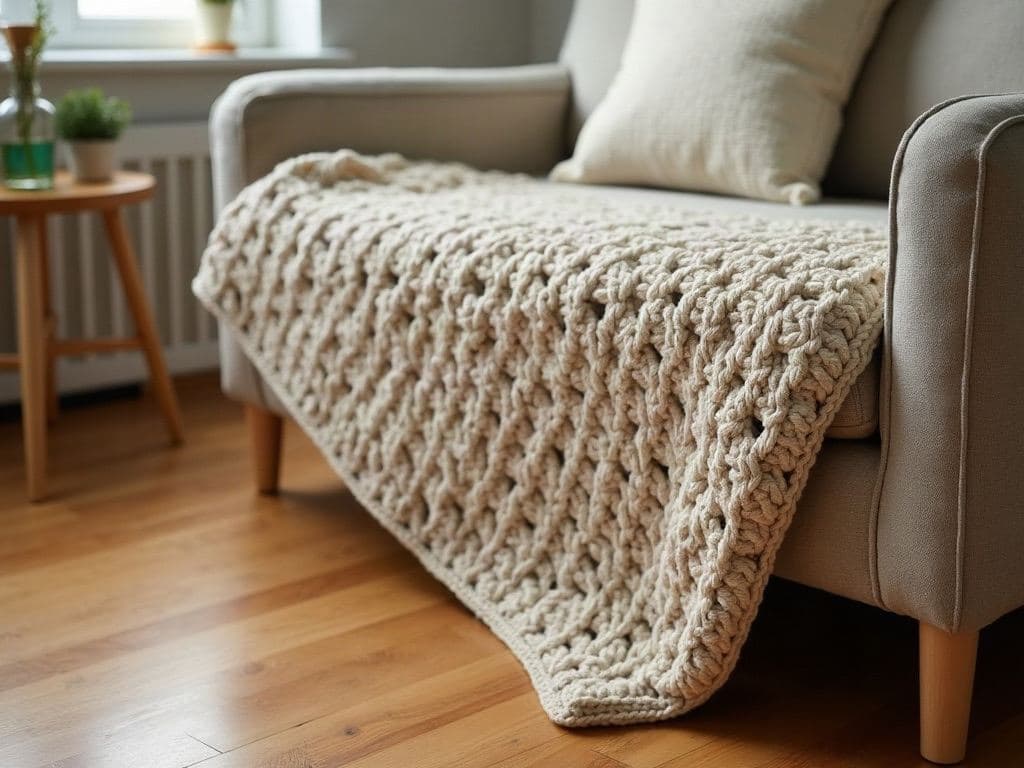
Quick chunky half double crochet throw
- Skill level
- Beginner
- Yarn weight
- Super bulky (#6)
- Hook size
- 10 mm hook
- Yardage
- 1000 yd
Free pattern
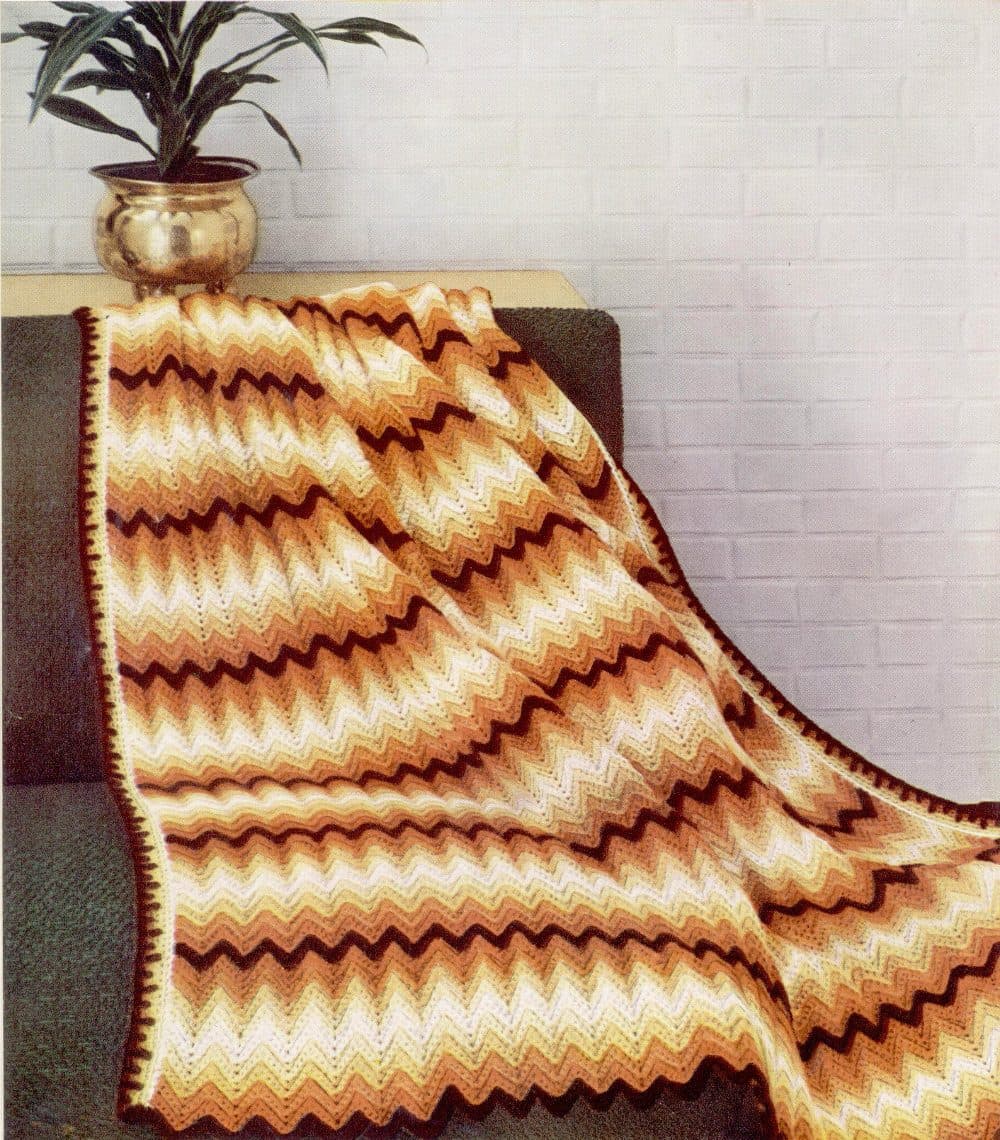
Autumn Chevron Afghan (1952): vintage crochet pattern
- Skill level
- Easy
- Yarn weight
- Medium (#4)
- Hook size
- 5 mm hook
- Yardage
- 3430 yd
Free preview · in bundle
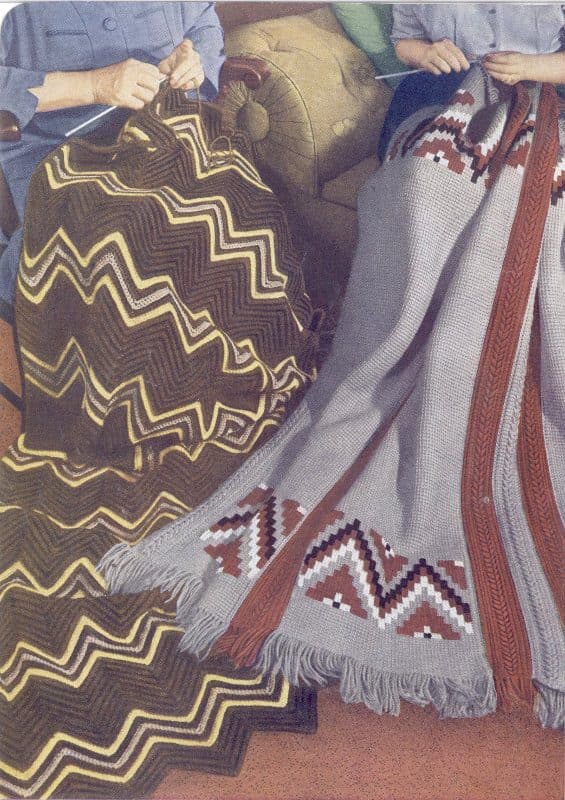
Chevron Afghan (1951): vintage crochet pattern
- Skill level
- Easy
- Yarn weight
- Medium (#4)
- Hook size
- 4 mm hook
- Yardage
- 4160 yd
Free preview · in bundle
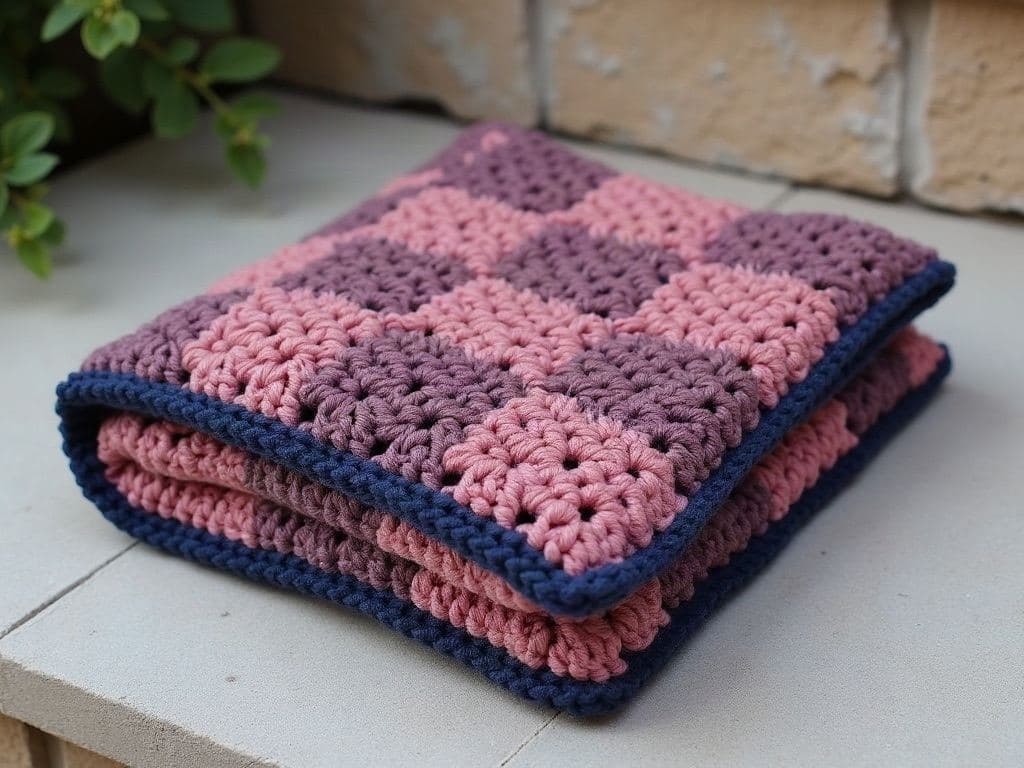
Solid corner-to-corner crochet blanket
- Skill level
- Easy
- Yarn weight
- Medium (#4)
- Hook size
- 5 mm hook
- Yardage
- 1200 yd
Free pattern
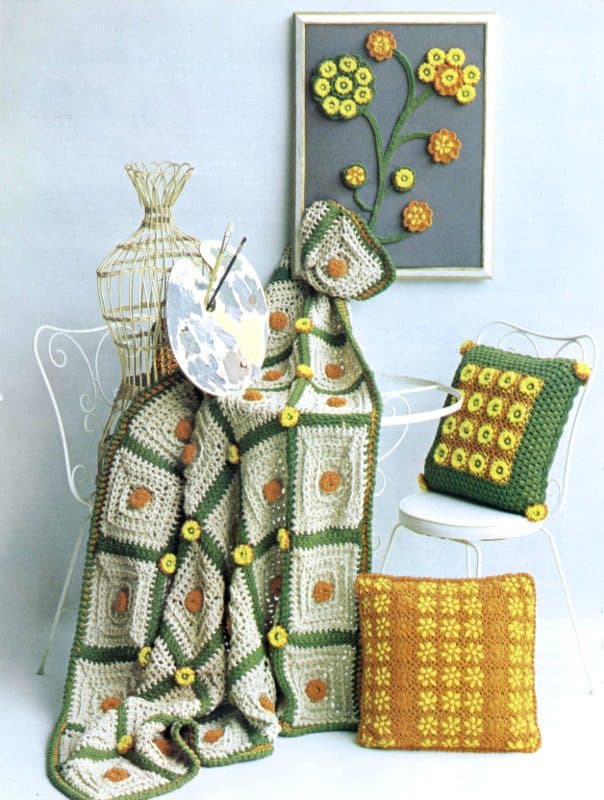
Crocheted Afghan with Daisy Trim (vintage Crazy Daisy): vintage crochet pattern
- Skill level
- Easy
- Yarn weight
- Medium (#4)
- Hook size
- 15.75 mm hook
- Yardage
- 4400 yd
Free preview · in bundle
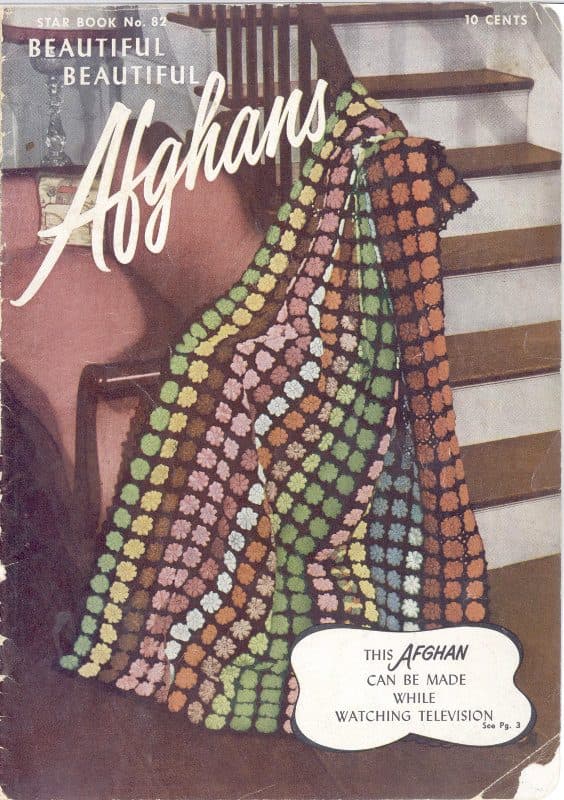
Flower Afghan (1951): vintage crochet pattern
- Skill level
- Easy
- Yarn weight
- Medium (#4)
- Hook size
- 3.75 mm hook
- Yardage
- 4420 yd
Free preview · in bundle
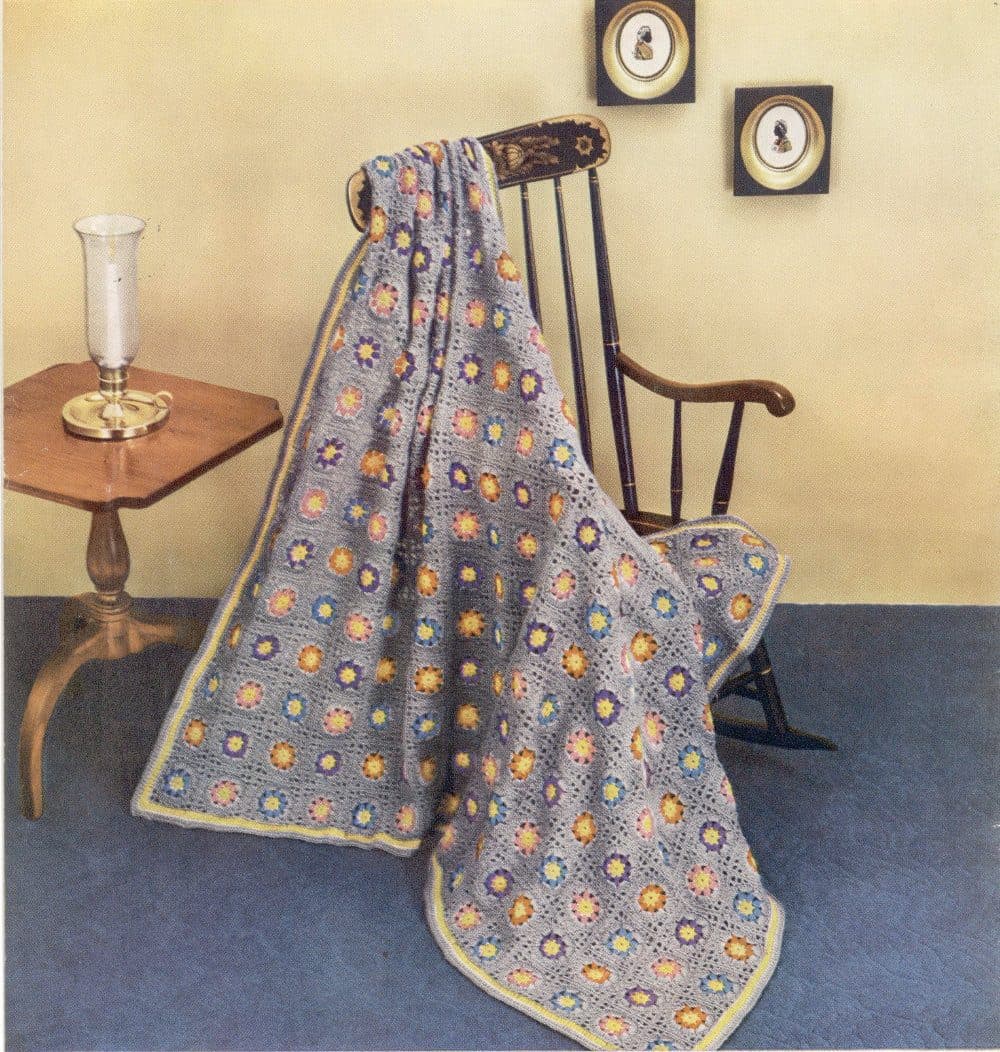
Flower Garden Afghan (1952): vintage crochet pattern
- Skill level
- Easy
- Yarn weight
- Medium (#4)
- Hook size
- 4 mm hook
- Yardage
- 2910 yd
Free preview · in bundle
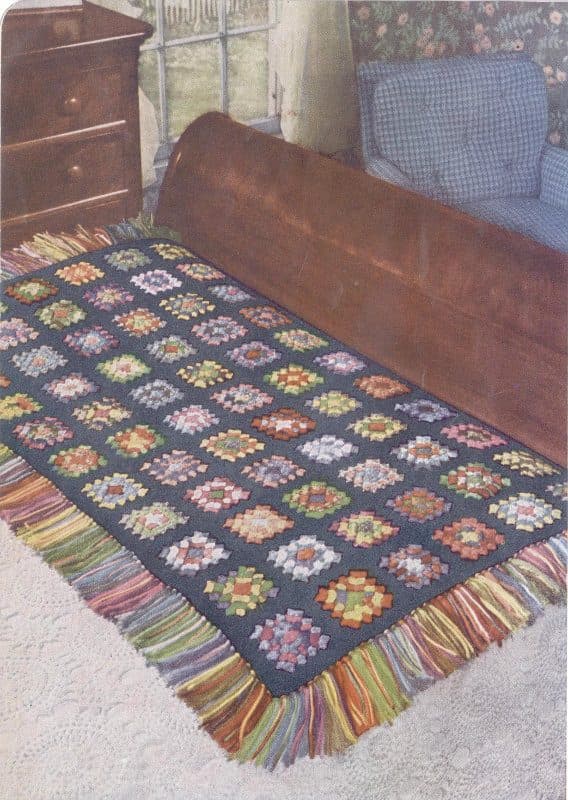
Granny Afghan (1951): vintage crochet pattern
- Skill level
- Easy
- Yarn weight
- Medium (#4)
- Hook size
- 3.75 mm hook
- Yardage
- 4210 yd
Free preview · in bundle
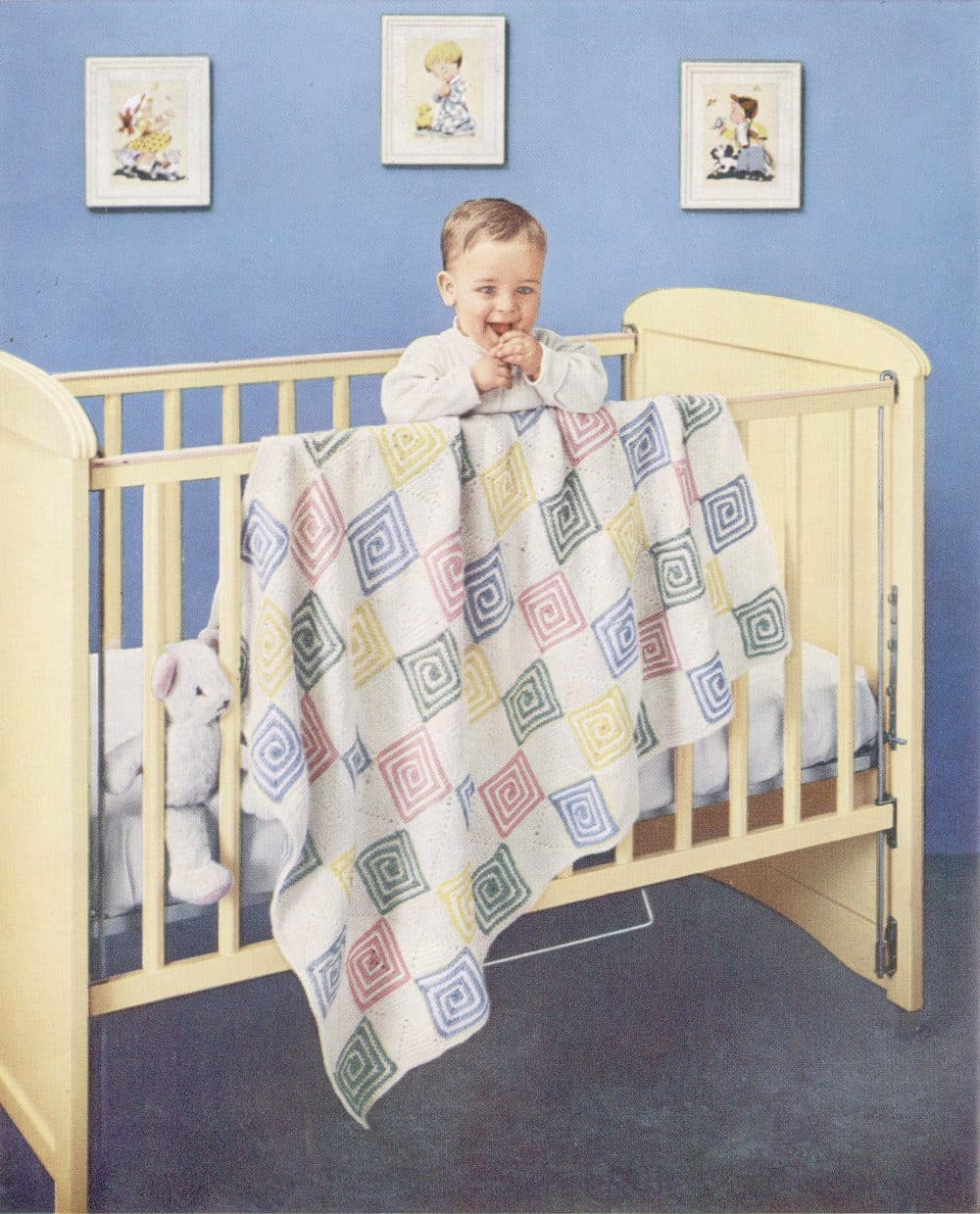
Sugar ’n Spice Afghan (1952): vintage crochet pattern
- Skill level
- Easy
- Yarn weight
- Super fine (#1)
- Hook size
- 4 mm hook
- Yardage
- 2250 yd
Free preview · in bundle
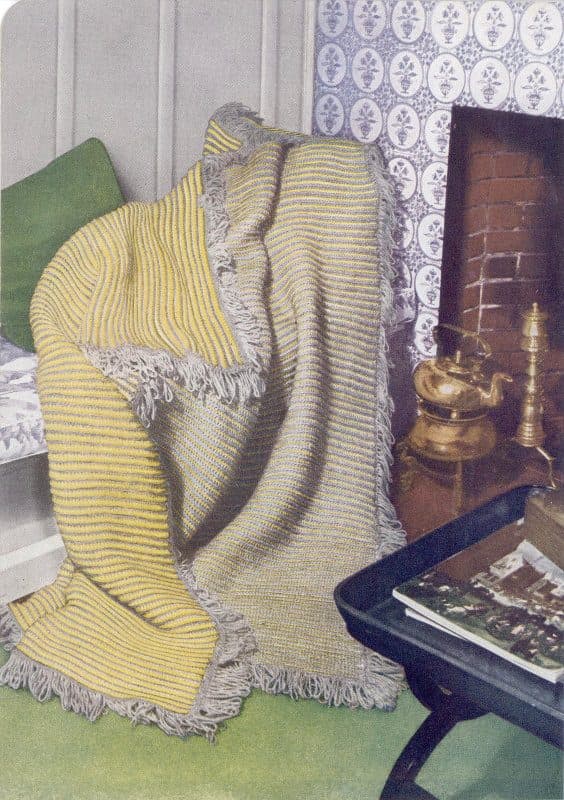
Two-Toned Reversible Afghan (1951): vintage crochet pattern
- Skill level
- Easy
- Yarn weight
- Medium (#4)
- Hook size
- 6 mm hook
- Yardage
- 4420 yd
Free preview · in bundle
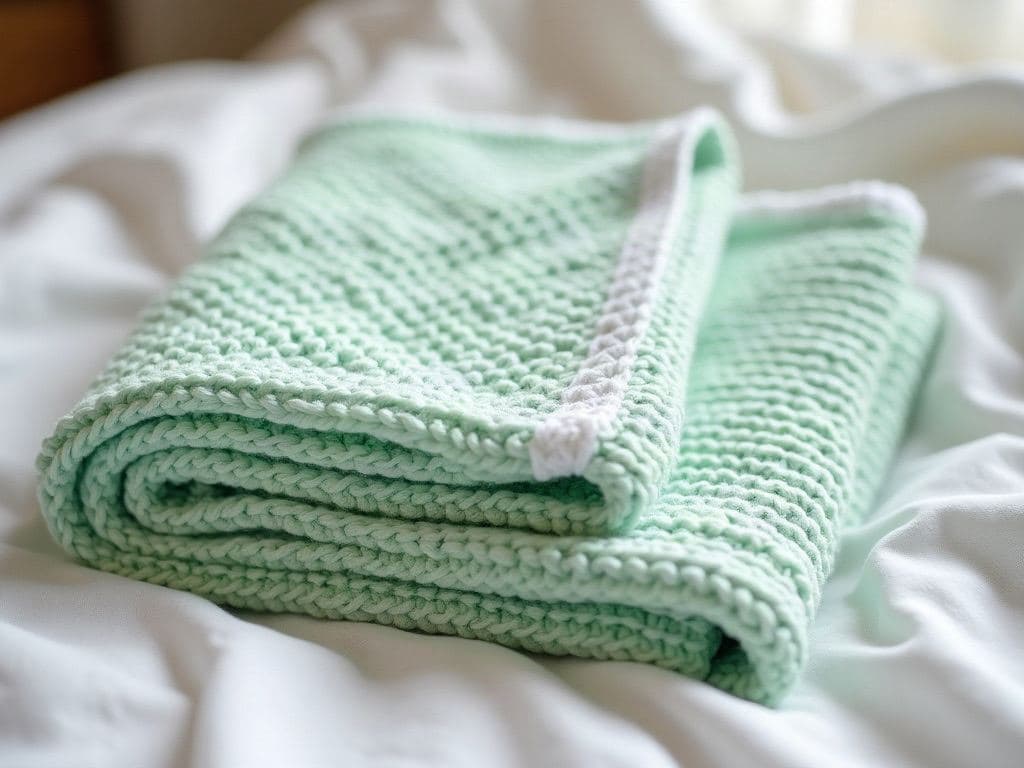
Soft V-stitch crochet baby blanket
- Skill level
- Easy
- Yarn weight
- Light (#3)
- Hook size
- 5 mm hook
- Yardage
- 1150 yd
Free pattern
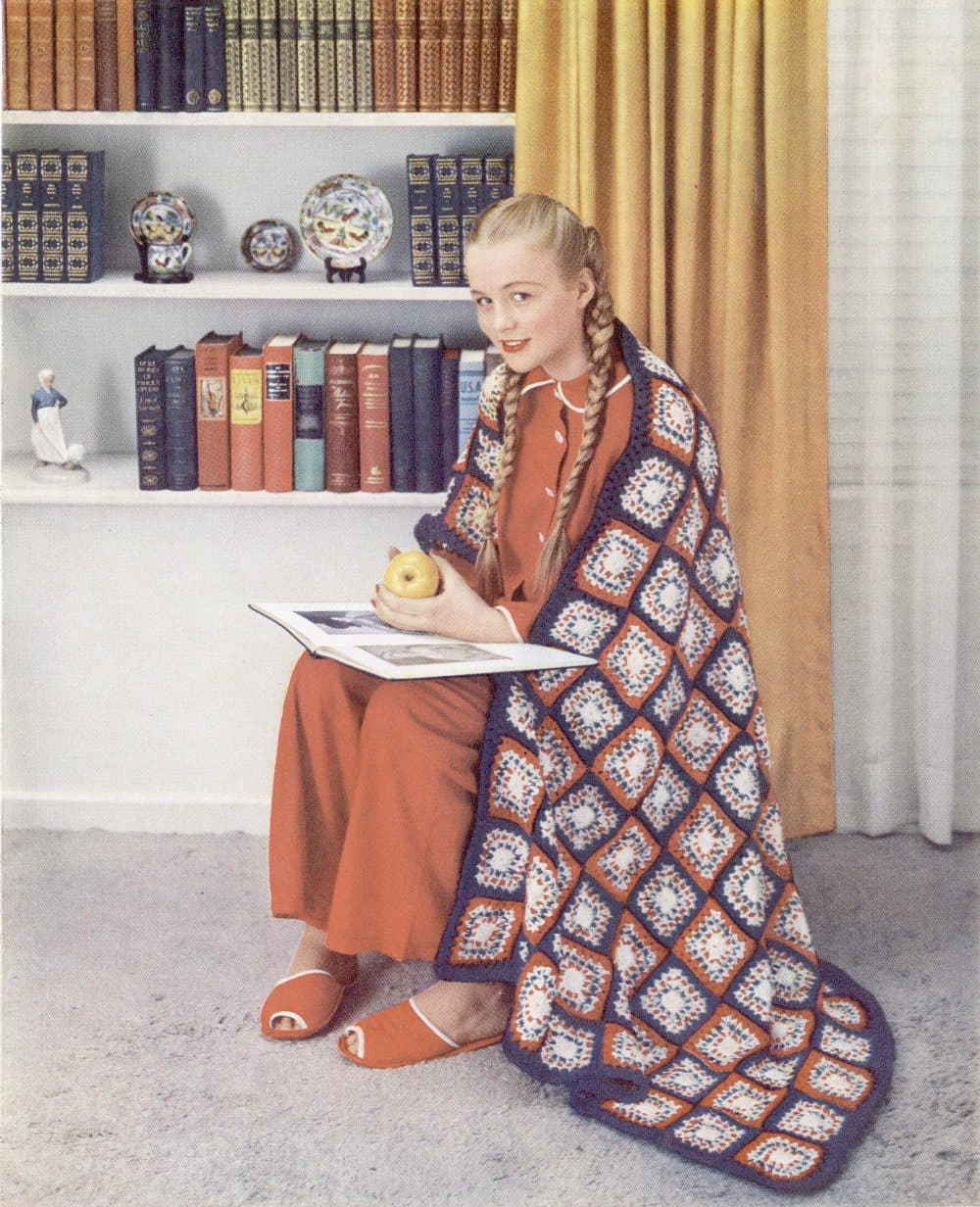
Americana Afghan (1952): vintage crochet pattern
- Skill level
- Intermediate
- Yarn weight
- Medium (#4)
- Hook size
- 4 mm hook
- Yardage
- 2600 yd
Free preview · in bundle
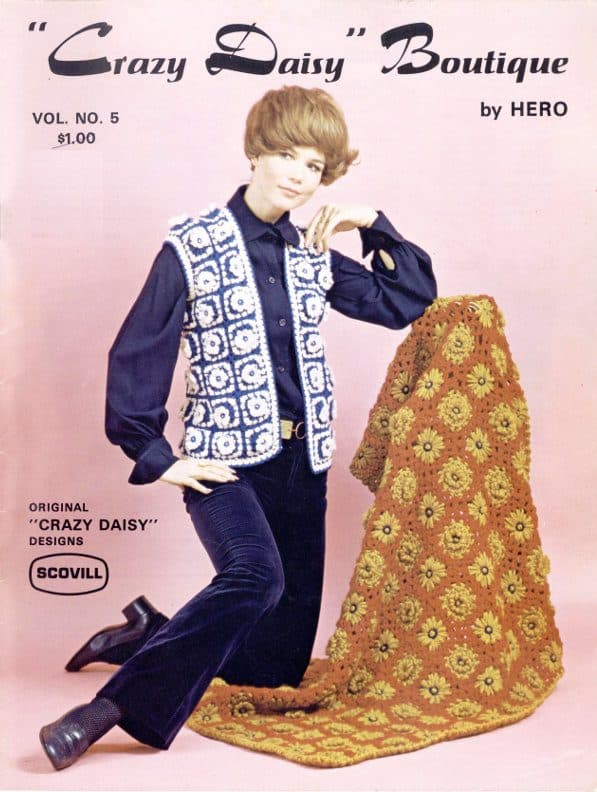
Bulky Yarn Afghan (vintage Crazy Daisy): vintage crochet pattern
- Skill level
- Intermediate
- Yarn weight
- Bulky (#5)
- Hook size
- 6 mm hook
- Yardage
- 1890 yd
Free preview · in bundle
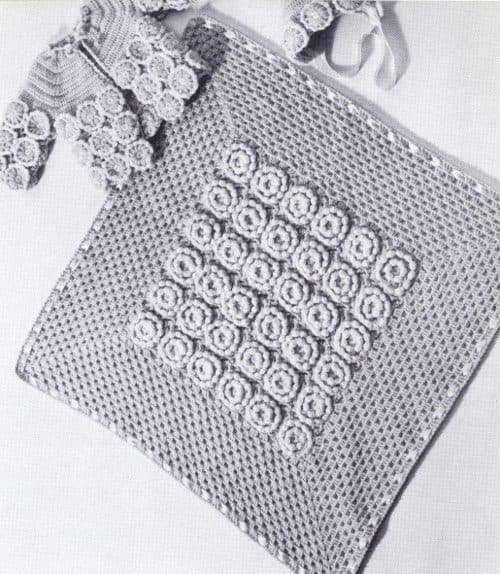
Carriage Robe (vintage Crazy Daisy): vintage crochet pattern
- Skill level
- Intermediate
- Yarn weight
- Medium (#4)
- Hook size
- 3.5 mm hook
- Yardage
- 1200 yd
Free preview · in bundle
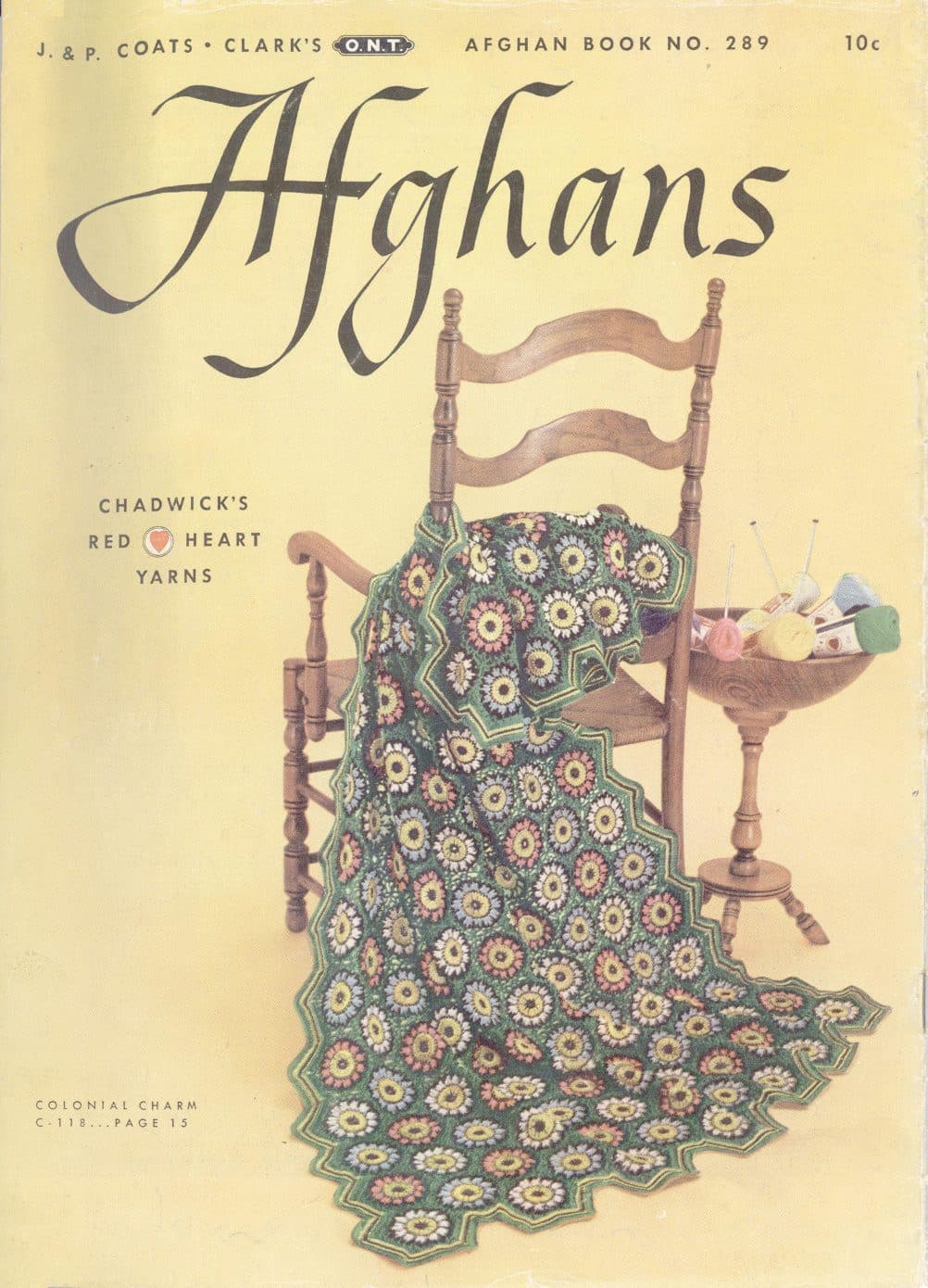
Colonial Charm Hexagon Afghan (1952): vintage crochet pattern
- Skill level
- Intermediate
- Yarn weight
- Fine (#2)
- Hook size
- 3.5 mm hook
- Yardage
- 2950 yd
Free preview · in bundle
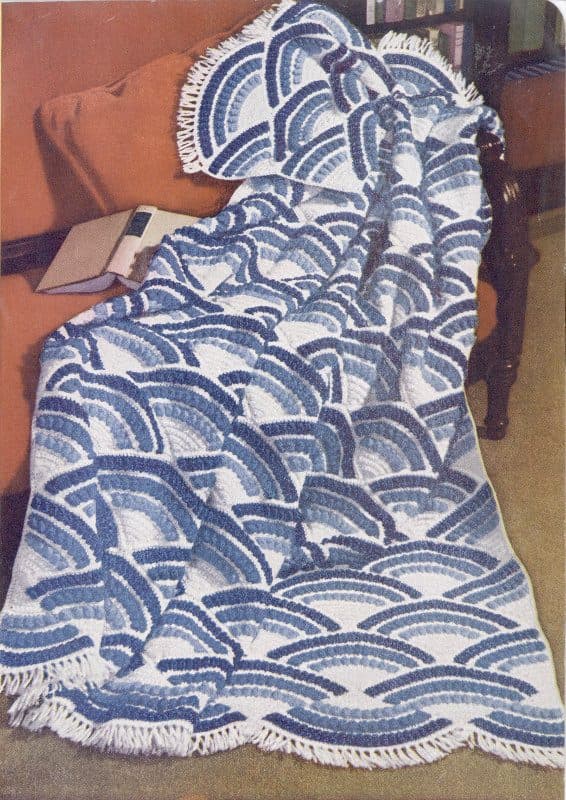
Crocheted Fan Afghan (1951): vintage crochet pattern
- Skill level
- Intermediate
- Yarn weight
- Medium (#4)
- Hook size
- 4 mm hook
- Yardage
- 5510 yd
Free preview · in bundle
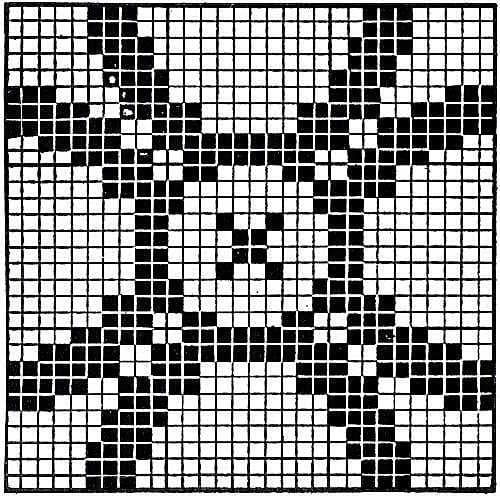
Golden Wedding Filet Bedspread (1941): vintage crochet pattern
- Skill level
- Intermediate
- Yarn weight
- Lace (#0)
- Hook size
- 1.5 mm hook
- Yardage
- 12000 yd
Free preview · in bundle
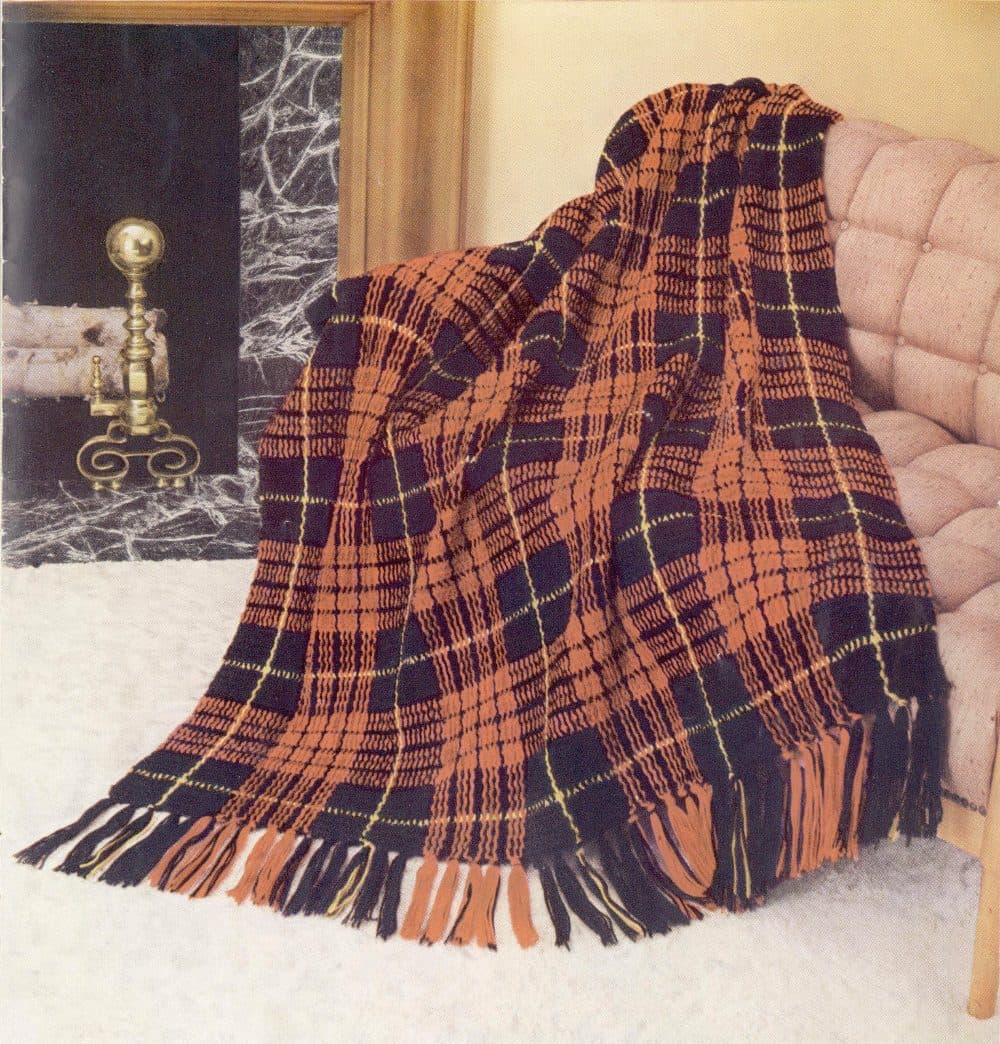
Highland Home Woven Afghan (1952): vintage crochet pattern
- Skill level
- Intermediate
- Yarn weight
- Medium (#4)
- Hook size
- 3.5 mm hook
- Yardage
- 3280 yd
Free preview · in bundle
Indian Stripe Afghan (1951): vintage crochet pattern
- Skill level
- Intermediate
- Yarn weight
- Medium (#4)
- Hook size
- 4.5 mm hook
- Yardage
- 3540 yd
Free preview · in bundle
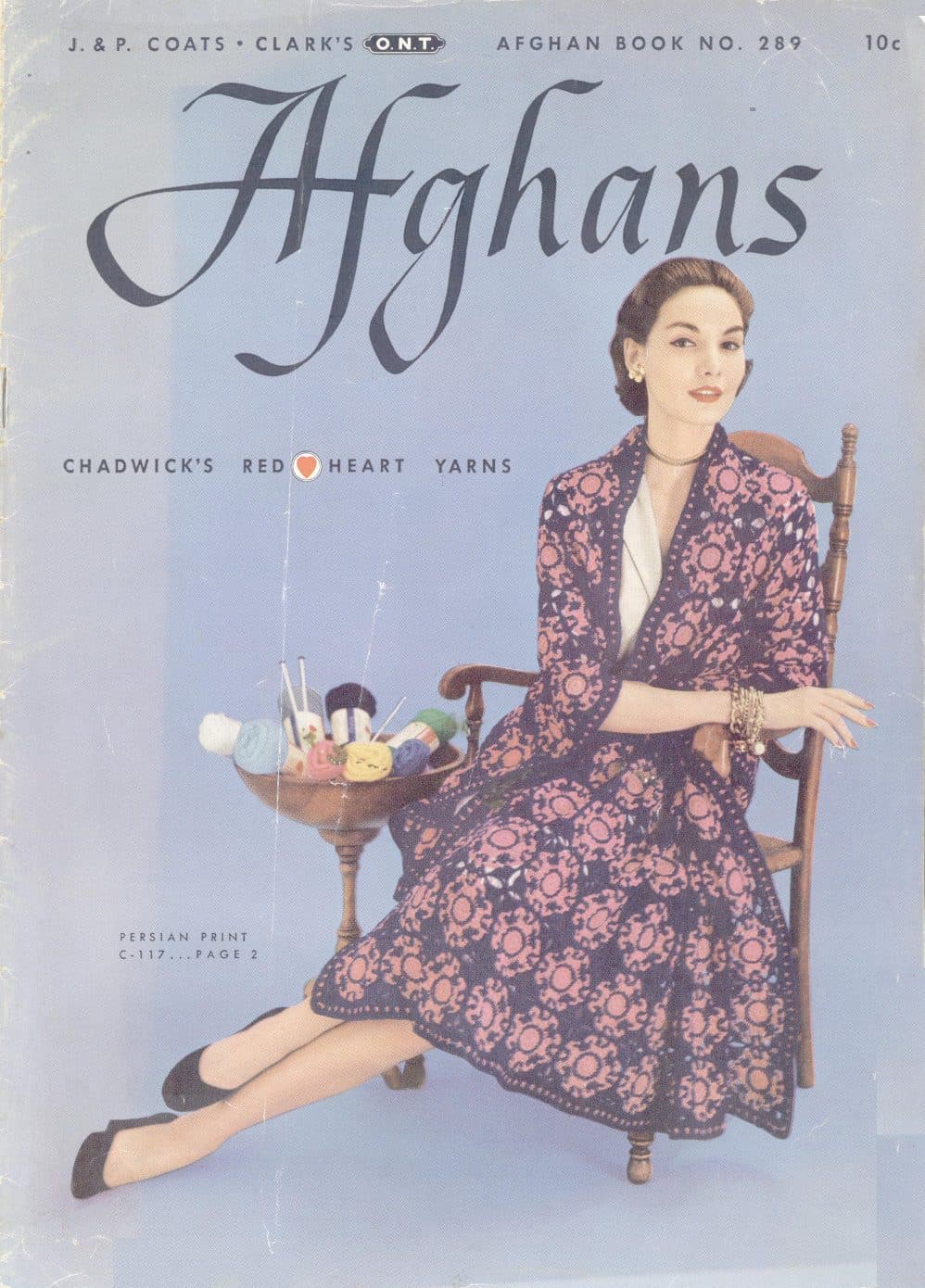
Persian Print Motif Afghan (1952): vintage crochet pattern
- Skill level
- Intermediate
- Yarn weight
- Medium (#4)
- Hook size
- 4 mm hook
- Yardage
- 2390 yd
Free preview · in bundle
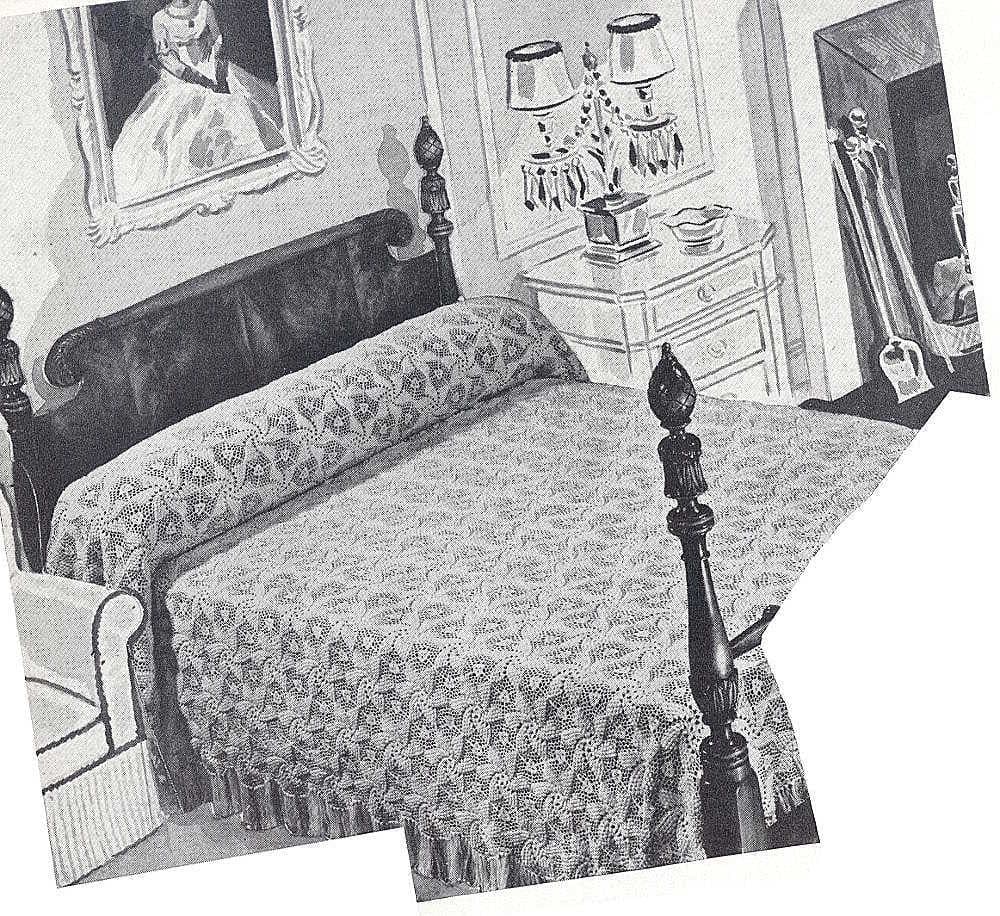
Pinwheel Popcorn Bedspread (1941): vintage crochet pattern
- Skill level
- Intermediate
- Yarn weight
- Lace (#0)
- Hook size
- 1.5 mm hook
- Yardage
- 70 yd
Free preview · in bundle
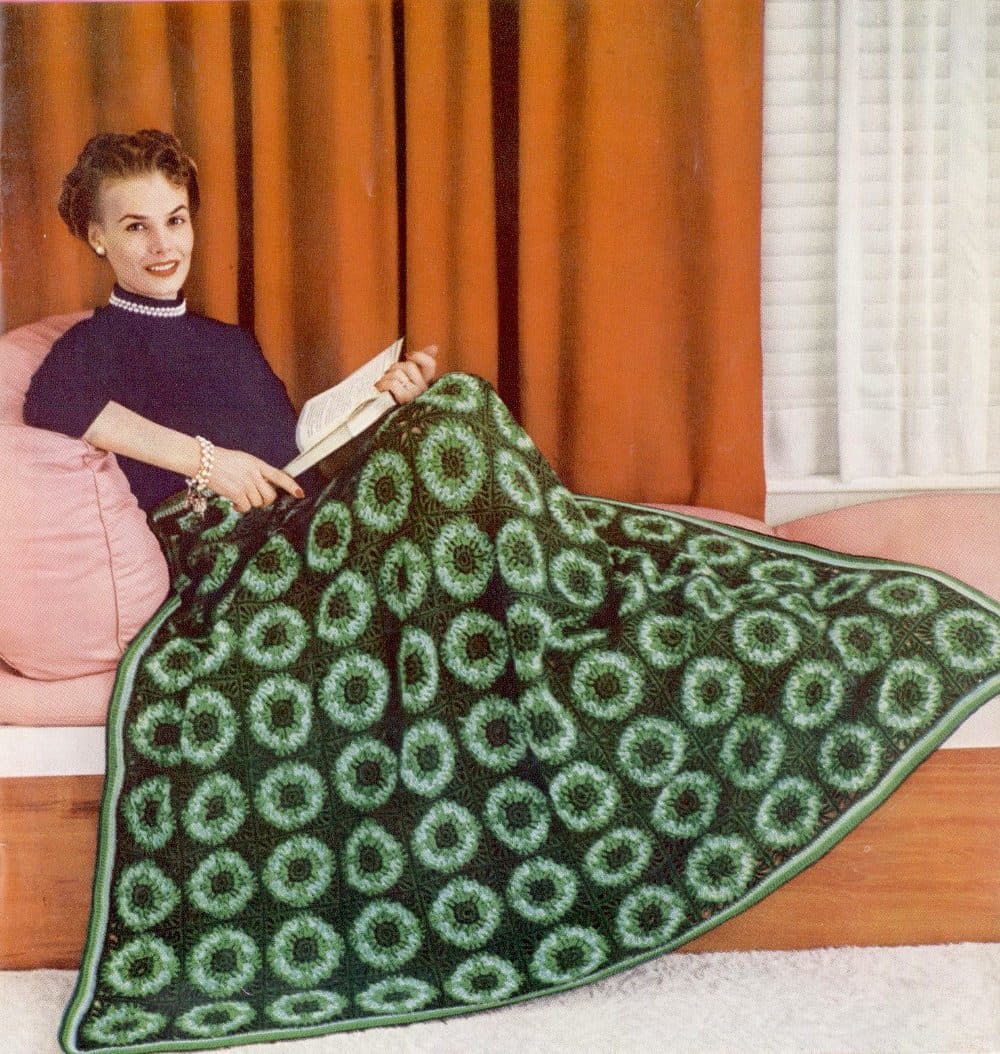
Siesta Afghan (1952): vintage crochet pattern
- Skill level
- Intermediate
- Yarn weight
- Medium (#4)
- Hook size
- 5 mm hook
- Yardage
- 2030 yd
Free preview · in bundle
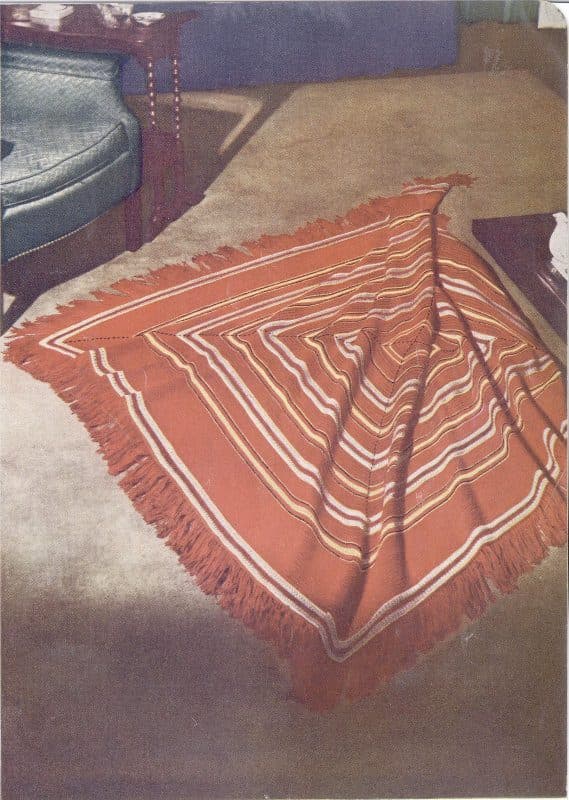
Square Dance Afghan (1951): vintage crochet pattern
- Skill level
- Intermediate
- Yarn weight
- Fine (#2)
- Hook size
- 3.75 mm hook
- Yardage
- 3420 yd
Free preview · in bundle
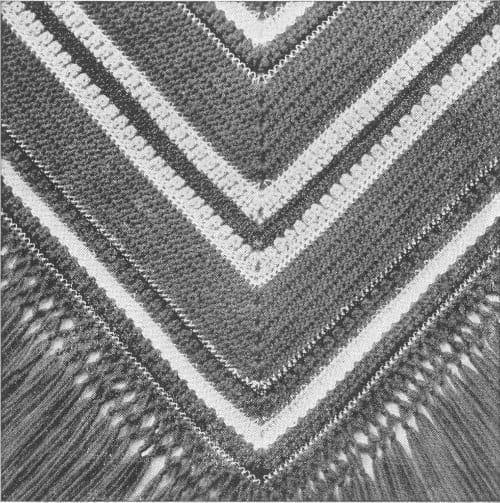
Square Dance Shawl Afghan (1951): vintage crochet pattern
- Skill level
- Intermediate
- Yarn weight
- Fine (#2)
- Hook size
- 3.75 mm hook
- Yardage
- 1260 yd
Free preview · in bundle
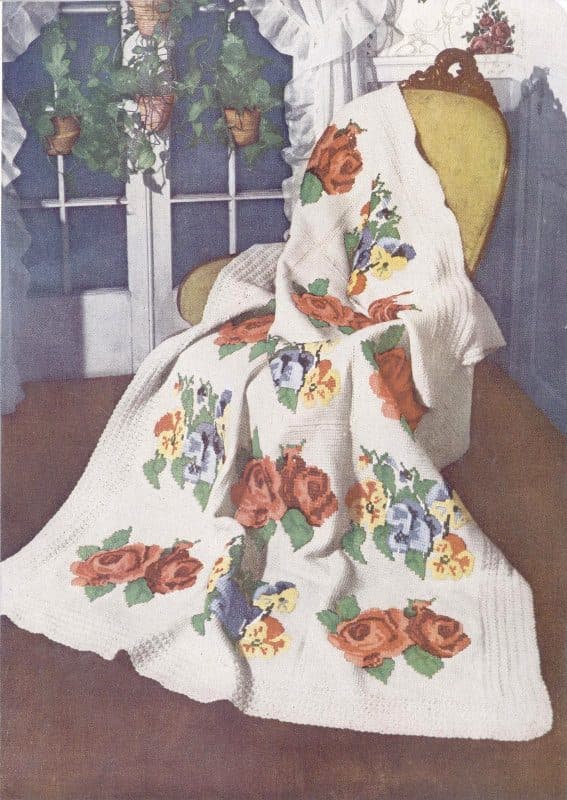
Victorian Afghan (1951): vintage crochet pattern
- Skill level
- Intermediate
- Yarn weight
- Medium (#4)
- Hook size
- 4.5 mm hook
- Yardage
- 5410 yd
Free preview · in bundle
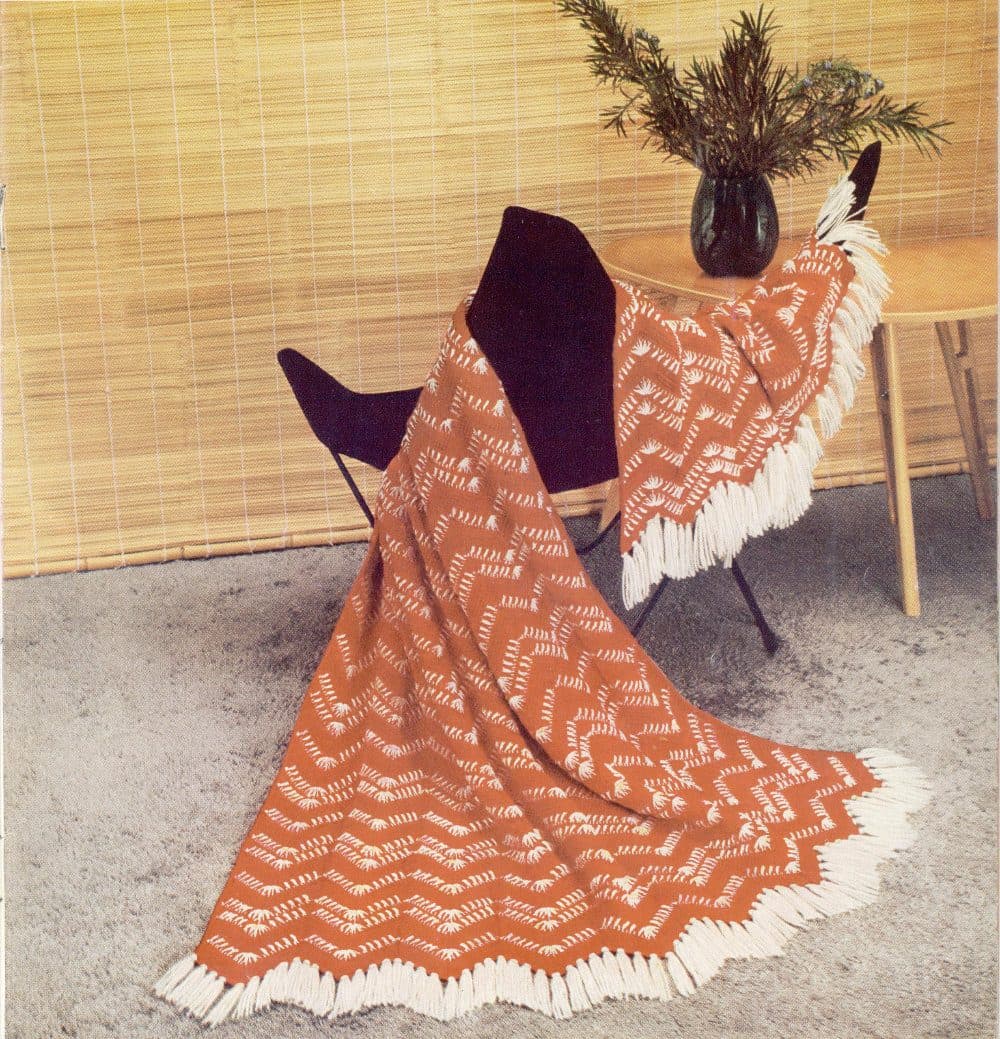
California Ranch Afghan (1952): vintage crochet pattern
- Skill level
- Advanced
- Yarn weight
- Medium (#4)
- Hook size
- 4.25 mm hook
- Yardage
- 3120 yd
Free preview · in bundle
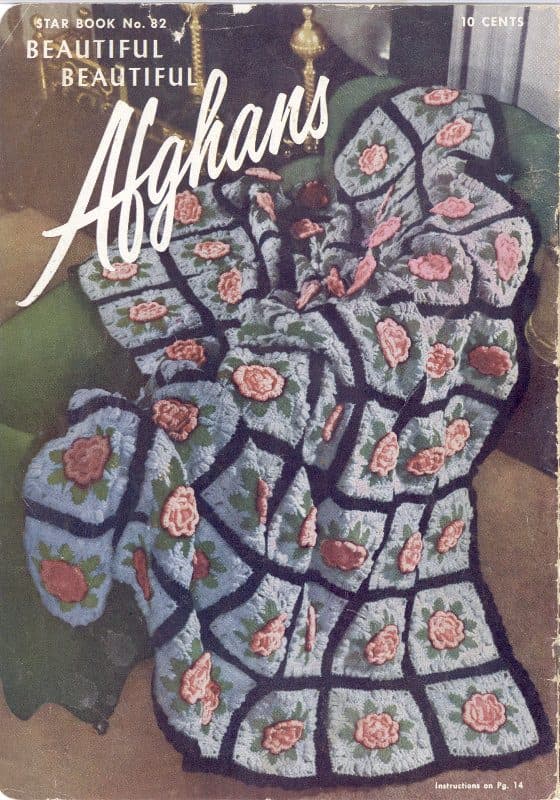
Charleston Garden Afghan (1951): vintage crochet pattern
- Skill level
- Advanced
- Yarn weight
- Medium (#4)
- Hook size
- 4 mm hook
- Yardage
- 4840 yd
Free preview · in bundle
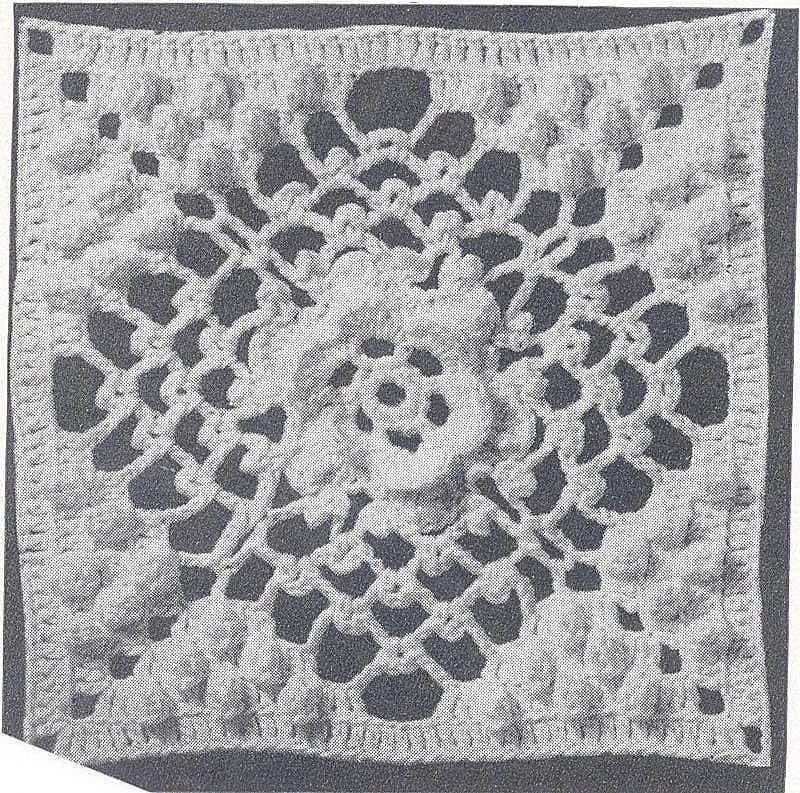
Irish Crochet Popcorn Bedspread (1941): vintage crochet pattern
- Skill level
- Advanced
- Yarn weight
- Lace (#0)
- Hook size
- 1.8 mm hook
- Yardage
- 14364 yd
Free preview · in bundle
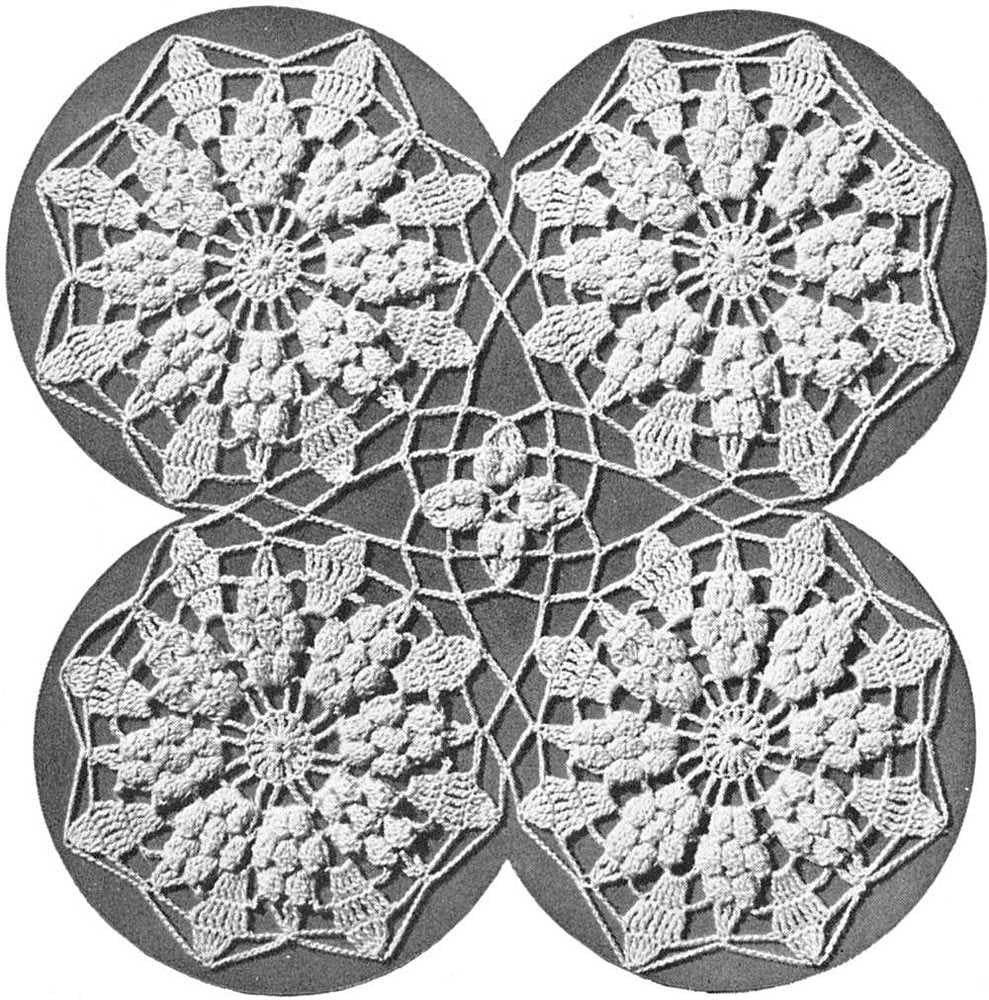
Magnolia Popcorn Motif Bedspread (1941): vintage crochet pattern
- Skill level
- Advanced
- Yarn weight
- Lace (#0)
- Hook size
- 1.65 mm hook
- Yardage
- 50 yd
Free preview · in bundle
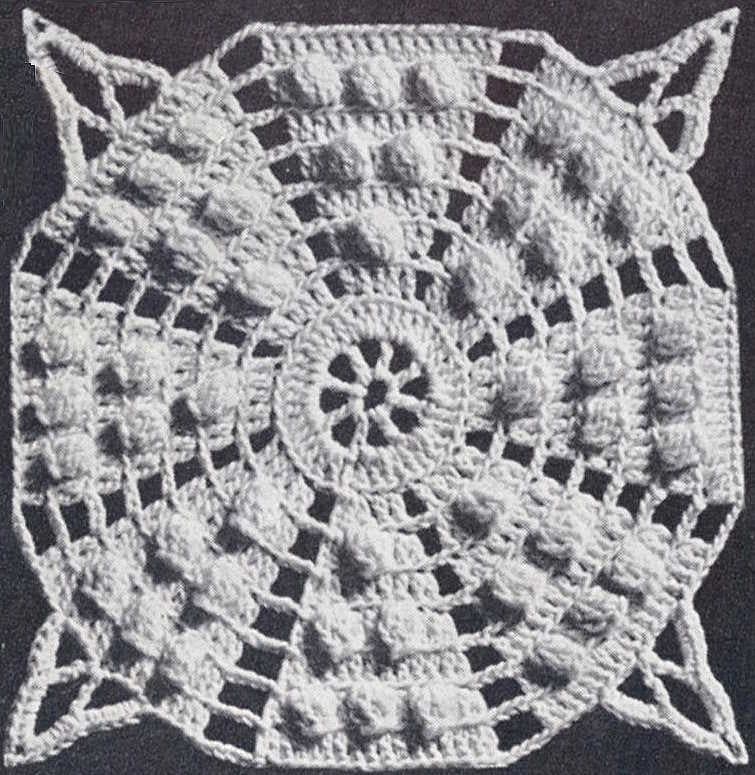
Octagon Popcorn Block Bedspread (1941): vintage crochet pattern
- Skill level
- Advanced
- Yarn weight
- Lace (#0)
- Hook size
- 1.8 mm hook
- Yardage
- 16380 yd
Free preview · in bundle
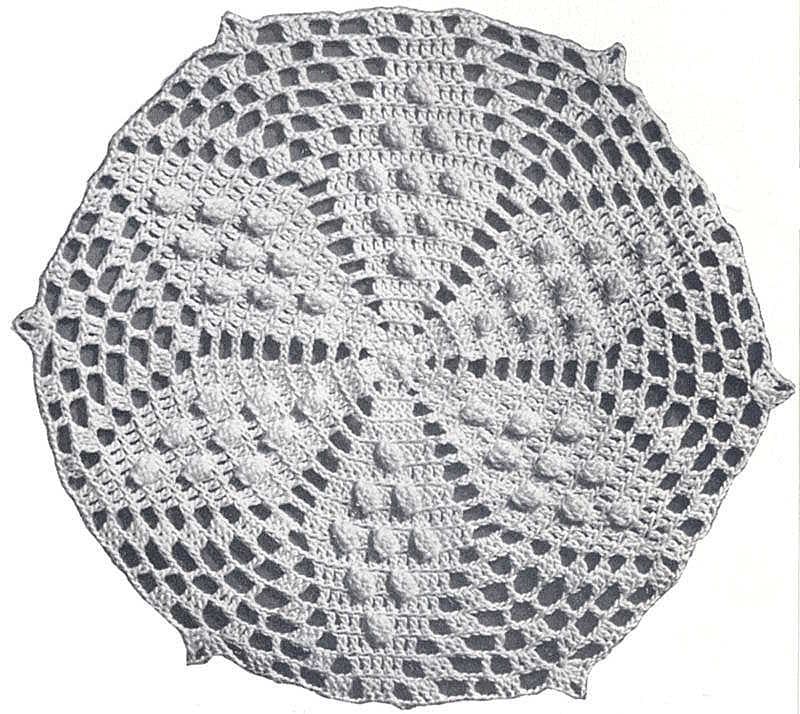
Six Pointed Star Popcorn Bedspread (1941): vintage crochet pattern
- Skill level
- Advanced
- Yarn weight
- Lace (#0)
- Hook size
- 1.9 mm hook
- Yardage
- 90 yd
Free preview · in bundle
What size should a crochet blanket be?
A crochet blanket should match its use: about 30 × 35 inches for a stroller blanket, 50 × 60 inches for a sofa throw, and 90 × 100 inches or more for a queen bed. Measure the bed or sofa you have in mind before committing to a size, because mattress depths vary.
Most patterns give one size and a stitch multiple. To resize, work a gauge swatch, divide the target width by the width of one repeat, and round to the nearest whole repeat so the edges stay symmetrical.
| Blanket | Inches | Centimeters |
|---|---|---|
| Lovey / security | 12 × 12 | 30 × 30 |
| Stroller | 30 × 35 | 76 × 89 |
| Receiving | 36 × 36 | 91 × 91 |
| Crib | 45 × 60 | 114 × 152 |
| Lapghan | 36 × 48 | 91 × 122 |
| Throw | 50 × 60 | 127 × 152 |
| Twin | 66 × 90 | 168 × 229 |
| Full / double | 80 × 90 | 203 × 229 |
| Queen | 90 × 100 | 229 × 254 |
| King | 108 × 100 | 274 × 254 |
What is the easiest crochet blanket for beginners?
The easiest crochet blanket for beginners is a rectangle worked in rows of a single repeated stitch, such as half double crochet or moss stitch. There is no shaping, no color changes, and mistakes are easy to spot because every row looks the same.
Bulky or super bulky yarn with a 6.5–10 mm hook makes the project grow quickly, which helps first-time makers finish. Place a stitch marker in the first and last stitch of each row to keep the edges straight.
How much yarn do you need for a crochet blanket?
A crochet blanket usually needs between 400 yards for a small baby blanket and 3,000 yards or more for a queen-size afghan. Dense stitches such as waffle, bobble, and moss use noticeably more yarn per square inch than open stitches like mesh or granny clusters.
The most reliable estimate comes from your own swatch: weigh a 6-inch square, work out its area, and scale up to the finished blanket area. Buy all skeins from the same dye lot and add 10% for the border and joining.
Which yarn is best for a crochet blanket?
Acrylic and acrylic blends are the most practical yarns for crochet blankets because they are machine washable, affordable, and hold their shape. Cotton gives crisp stitch definition and breathes well for summer throws, while wool and wool blends add warmth but usually need gentle washing.
For baby blankets, choose a soft acrylic or cotton labeled machine washable and avoid fuzzy yarns that shed fibers.
Frequently asked questions
How long does it take to crochet a blanket?
A bulky-yarn throw can take 10–20 hours of stitching, while a worsted-weight queen blanket in a dense stitch can take 60 hours or more. Stitch height, yarn weight, and pattern complexity matter more than blanket size alone.
Should I crochet a blanket in rows or squares?
Rows are simpler and have no seams; squares are portable and let you work in small sessions. Squares need joining at the end, which adds time but also lets you rearrange colors before committing.
Why is my crochet blanket getting wider?
A blanket usually widens because an extra stitch is being worked into the turning chain or the last stitch. Count stitches at the end of every few rows and mark the first and last stitch of each row.
What hook size should I use for a blanket?
Use the hook size on the yarn label as a starting point — typically 5–5.5 mm for worsted weight and 6.5–9 mm for bulky. Many makers go up half a size for a softer, more drapey blanket.