

Learn to crochet
How to write your own crochet pattern
To write a crochet pattern, make and measure the item first, recording every row as you go. Then write it up in a standard order: materials, gauge, finished size, abbreviations and notes, followed by numbered rows or rounds with a stitch count at the end of each. Finally, have someone else test it before publishing.
By the crochetpatterns.io editorial team · Reviewed · Editorial policy
What does a crochet pattern need to include?
Crocheters expect the same information in the same order, so they can check they have everything before they start.
| Section | What to include |
|---|---|
| Title and photo | A clear name and a photo of the finished item from the front |
| Skill level | Beginner, easy, intermediate or advanced |
| Materials | Yarn brand, weight, fibre, yardage per skein and number of skeins; hook size in mm and US; notions such as stuffing or buttons |
| Gauge | Stitches and rows over 4 in (10 cm) in the stated stitch, and whether gauge matters for this item |
| Finished size | Measurements for every size, and the ease for garments |
| Abbreviations | Every abbreviation used, and whether the pattern is in US or UK terms |
| Notes | Whether the turning chain counts as a stitch, how rounds are joined, and any special stitches |
| Instructions | Numbered rows or rounds with a stitch count at the end of each |
| Finishing | Assembly, borders, blocking and weaving in ends |
How do you turn your crochet into written instructions?
The easiest patterns to write are the ones recorded while you crochet, not reconstructed afterwards.
- Make a gauge swatch and note the stitches and rows per 4 inches (10 cm).
- Crochet the item with a notebook beside you, writing down each row the moment you finish it.
- Count and record the stitches at the end of every row or round.
- Use a stitch marker at the start of rounds and at any repeat, and note where you placed it.
- Measure the finished item and photograph it before blocking and after.
- Rewrite your notes in standard abbreviations, using square brackets or asterisks for repeats.
- Work a second sample from your own written pattern, without looking at the first, and fix anything unclear.
How do you write crochet rows and repeats clearly?
Start each row with its number and any turning chain, then give the stitches in the order they are worked, and end with the stitch count in parentheses or after an em dash. Put repeated sequences in brackets with the number of times, such as [sc in next 2 sts, 2 sc in next st] 6 times — 24 sts. Stick to one set of abbreviations throughout, and say in the notes whether the turning chain counts as a stitch.
Should you have your crochet pattern tested?
Yes. A pattern tester makes the item from your written instructions and reports every place they were confused, and a technical editor checks stitch counts, maths and consistency. Even experienced designers miss errors in their own patterns, because they know what they meant. Publish corrections with a date if mistakes are found later.
Can you sell your own crochet patterns?
Yes, you can sell patterns for designs you created. Write your own instructions and use your own photos and charts rather than copying another designer's. Basic stitches and techniques belong to everyone, so a pattern that uses common stitches can still be your own design.
Patterns to practise on
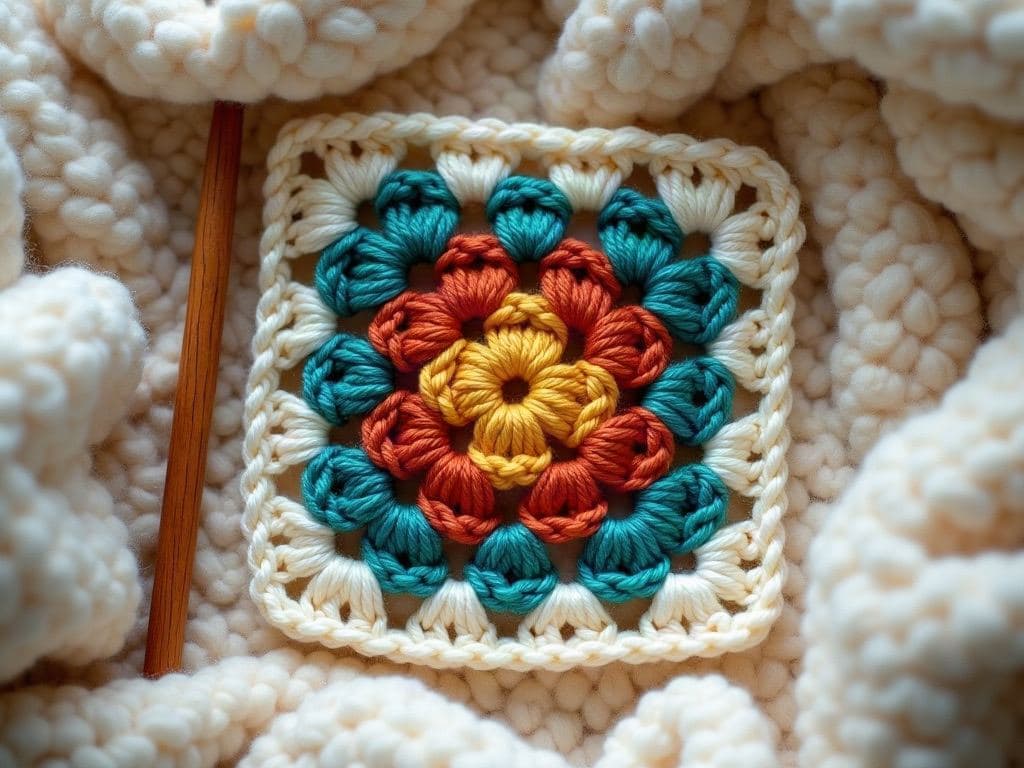
How to crochet a classic granny square
- Skill level
- Beginner
- Yarn weight
- Medium (#4)
- Hook size
- 5 mm hook
- Yardage
- 35 yd
Free pattern
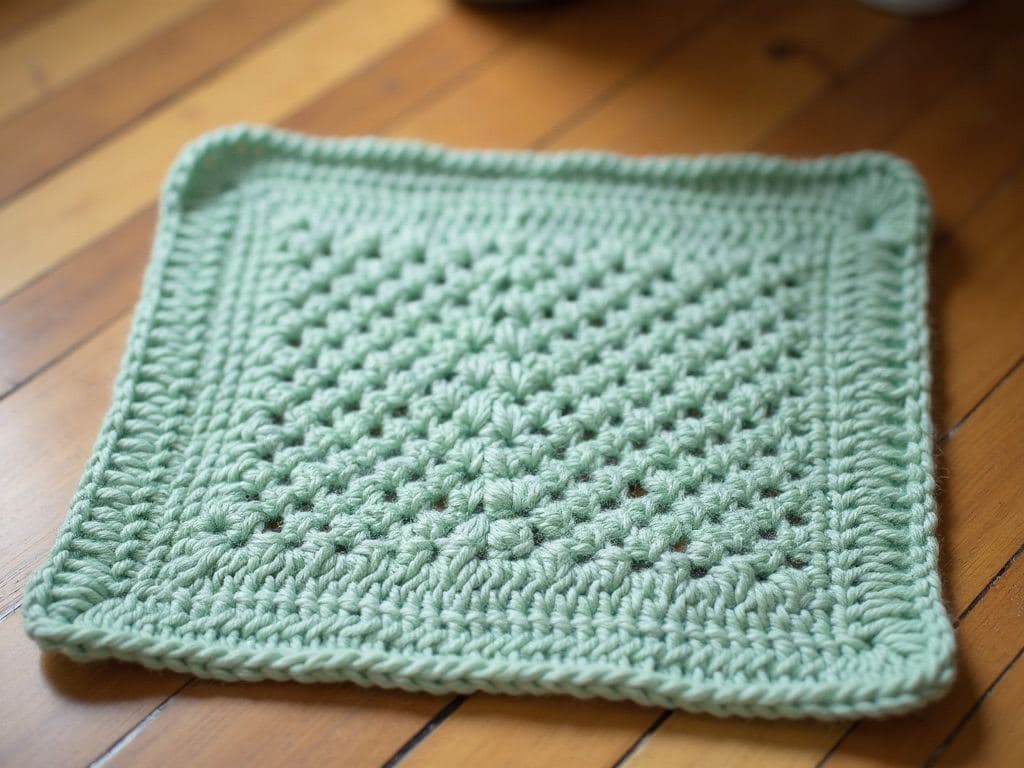
Easy moss stitch crochet dishcloth
- Skill level
- Beginner
- Yarn weight
- Medium (#4)
- Hook size
- 5 mm hook
- Yardage
- 100 yd
Free pattern
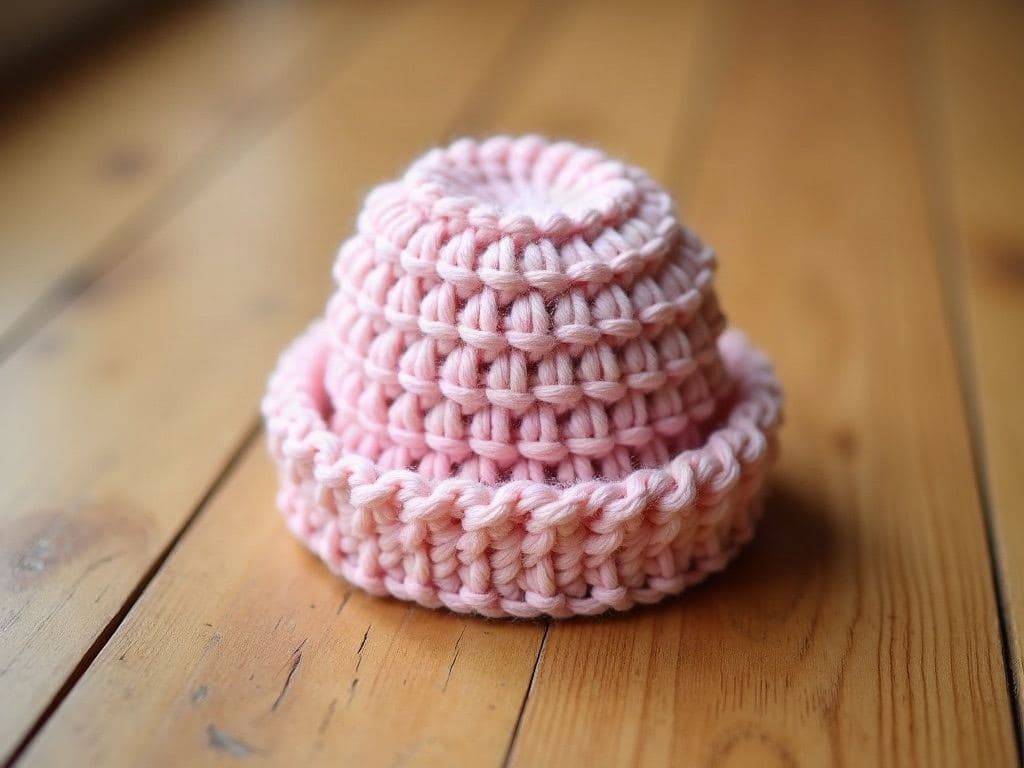
Simple half double crochet baby beanie in the round
- Skill level
- Beginner
- Yarn weight
- Medium (#4)
- Hook size
- 5 mm hook
- Yardage
- 130 yd
Free pattern
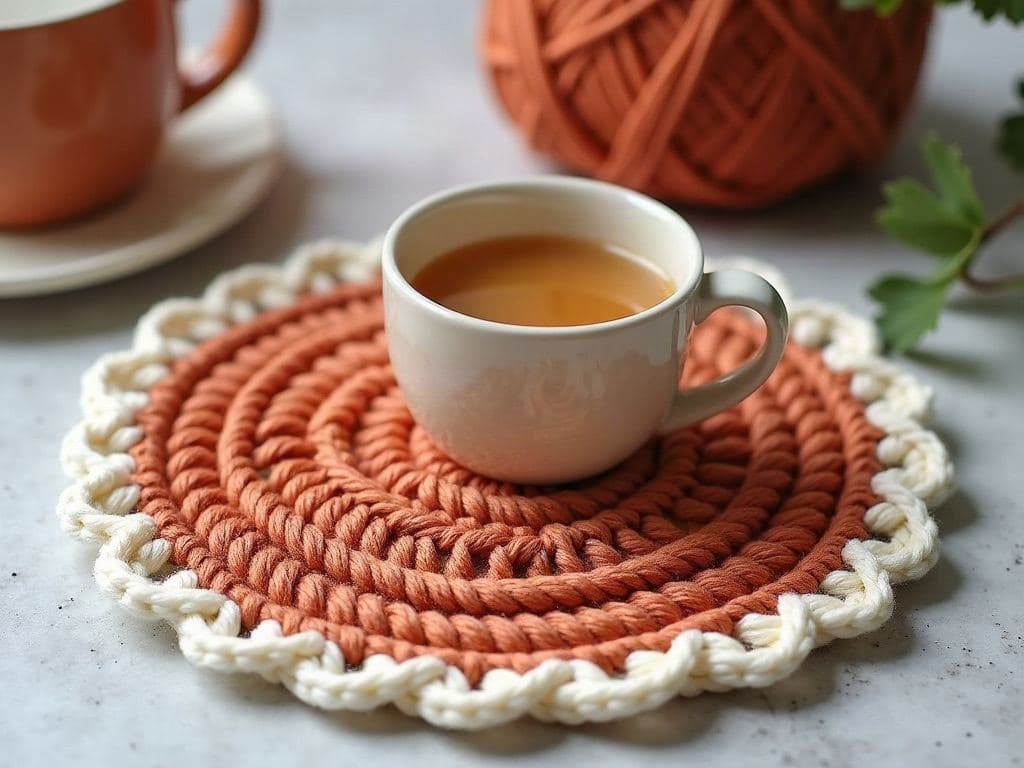
Quick round crochet coaster in cotton
- Skill level
- Beginner
- Yarn weight
- Medium (#4)
- Hook size
- 4.5 mm hook
- Yardage
- 18 yd
Free pattern
Frequently asked questions
What is the standard format for crochet abbreviations?
Most English-language patterns use the Craft Yarn Council abbreviations, such as ch, sc, hdc, dc and sl st, and say whether they use US or UK terms.
How do I write a crochet pattern in multiple sizes?
Give sizes in order in the materials and size section, then write numbers for each size in parentheses in the same order, e.g. ch 60 (66, 72, 78).
Do I need a chart as well as written instructions?
Not always. Charts help for lace, colourwork and motifs; written rows with stitch counts are enough for many patterns.