

Learn to crochet
Crochet for beginners: everything to start
Beginners start crocheting with a 5 mm hook, a skein of smooth light-colored worsted yarn, scissors and a tapestry needle. Learn the slip knot, chain, single crochet and double crochet in that order. Practice on a small rectangle swatch before a first project such as a dishcloth, scarf or granny square.
By the crochetpatterns.io editorial team · Reviewed · Editorial policy
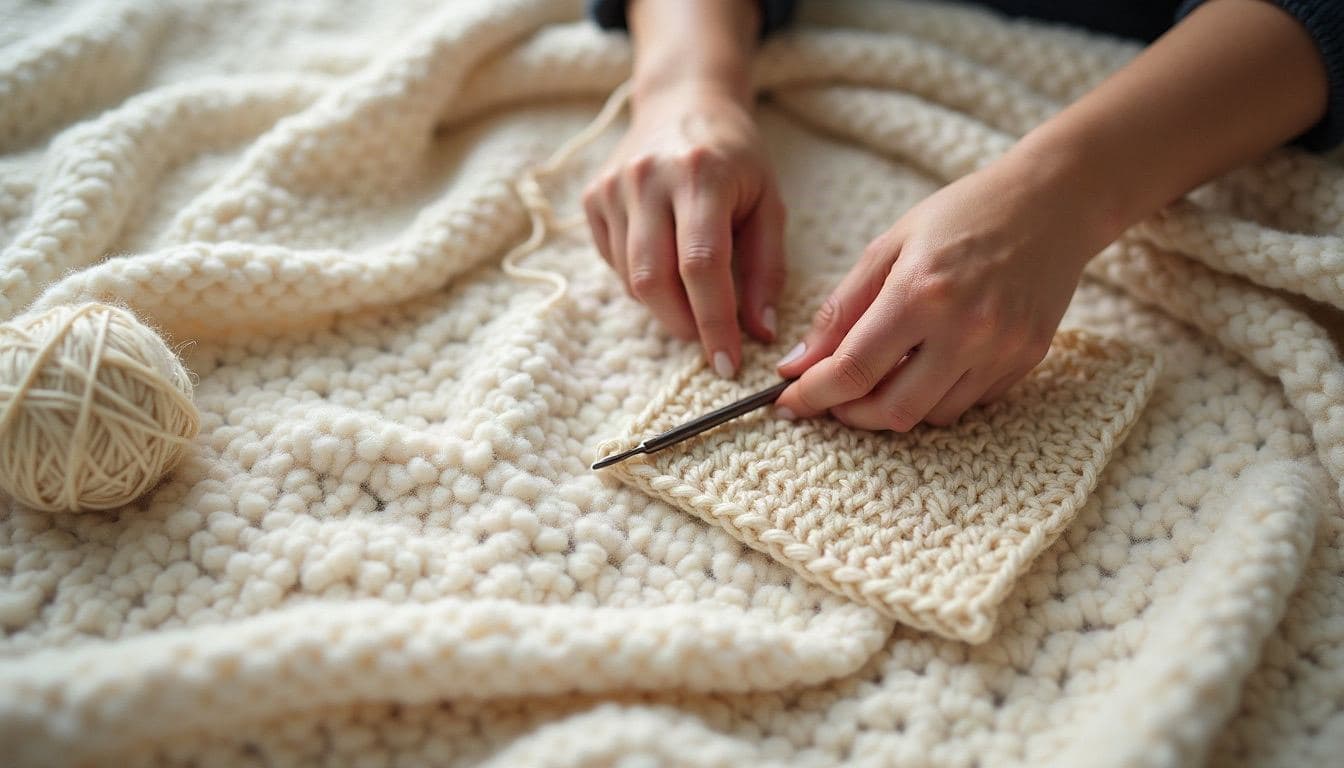
What supplies does a beginner crocheter need?
A beginner crocheter needs a hook, yarn, scissors, a tapestry needle and a few stitch markers. Everything else is optional.
| Supply | Recommended for beginners | Why |
|---|---|---|
| Crochet hook | 5 mm (US H-8) or 5.5 mm (US I-9) | Matches worsted yarn and is easy to handle |
| Yarn | Medium (4) worsted, smooth, light solid color | Stitches are visible and yarn does not split |
| Scissors | Small craft scissors | Clean cuts for yarn tails |
| Tapestry needle | Blunt needle with a large eye | Weaving in ends |
| Stitch markers | Locking markers or scrap yarn | Marking the first stitch of a row or round |
| Tape measure | Flexible, in inches and cm | Checking gauge and size |
Which crochet stitches should beginners learn first?
Beginners should learn the chain first, then single crochet, half double crochet and double crochet. These four stitches build most beginner patterns, including scarves, blankets and granny squares.
- Chain 15 stitches and count them until the count is consistent.
- Work 10 rows of single crochet on 14 stitches.
- Work 10 rows of half double crochet on the same number of stitches.
- Work 10 rows of double crochet and check that edges stay straight.
What are the most common beginner crochet mistakes?
The most common beginner crochet mistakes are skipping the last stitch of a row, adding a stitch at the start of a row, and crocheting too tightly.
Counting stitches at the end of every row and placing a marker in the first and last stitch fixes the first two problems.
What are good first crochet projects?
Good first crochet projects are flat, rectangular or square items worked in one stitch: a dishcloth, a scarf, a coaster, a granny square or a simple blanket strip.
How do beginners keep crochet tension even?
Beginners keep crochet tension even by wrapping the working yarn around the fingers the same way every time, working stitches on the hook shaft rather than the throat, and relaxing the grip.
Tension improves with practice; a swatch of 20 rows usually looks noticeably more even at the top than the bottom.
Patterns to practise on
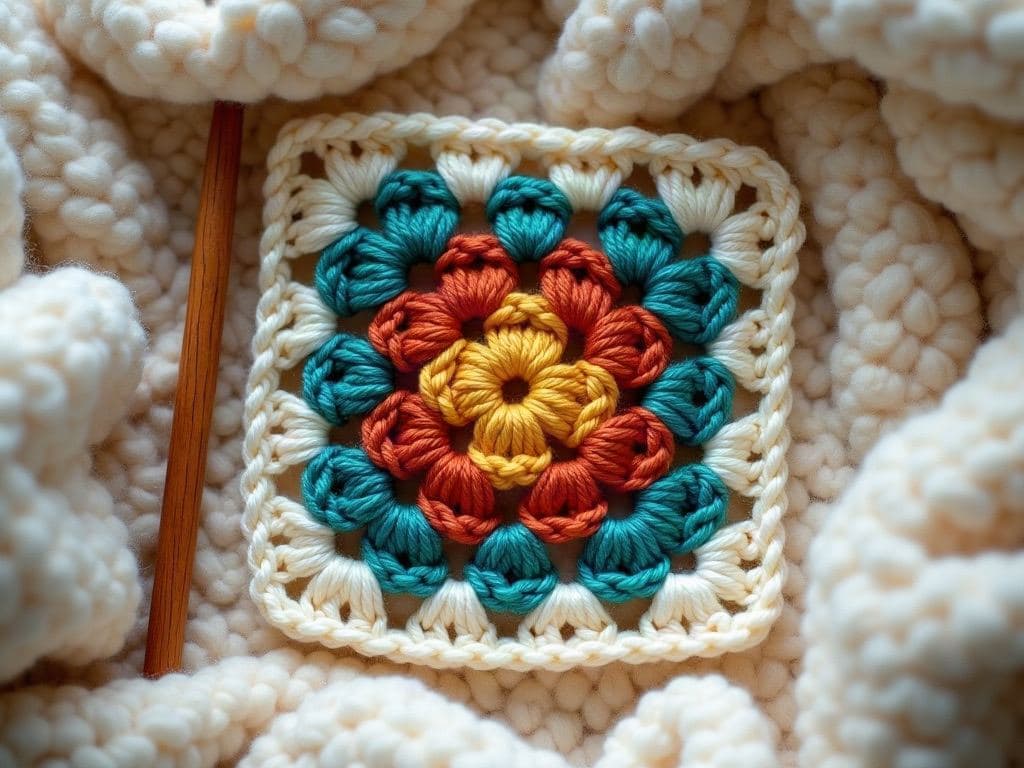
How to crochet a classic granny square
- Skill level
- Beginner
- Yarn weight
- Medium (#4)
- Hook size
- 5 mm hook
- Yardage
- 35 yd
Free pattern
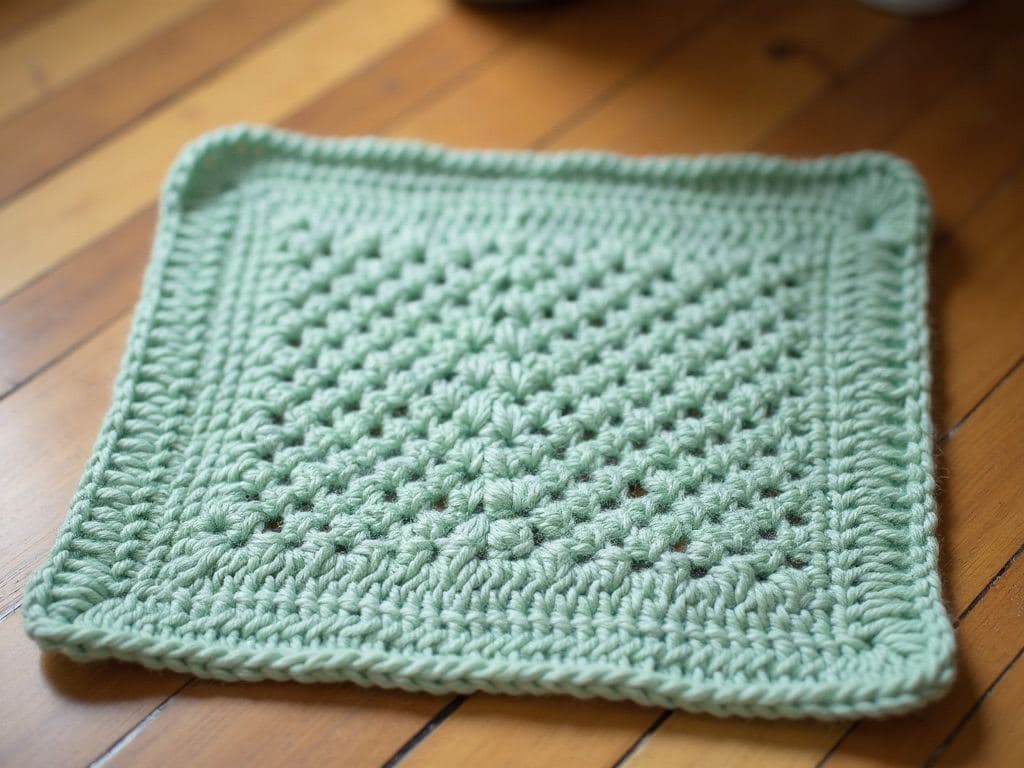
Easy moss stitch crochet dishcloth
- Skill level
- Beginner
- Yarn weight
- Medium (#4)
- Hook size
- 5 mm hook
- Yardage
- 100 yd
Free pattern
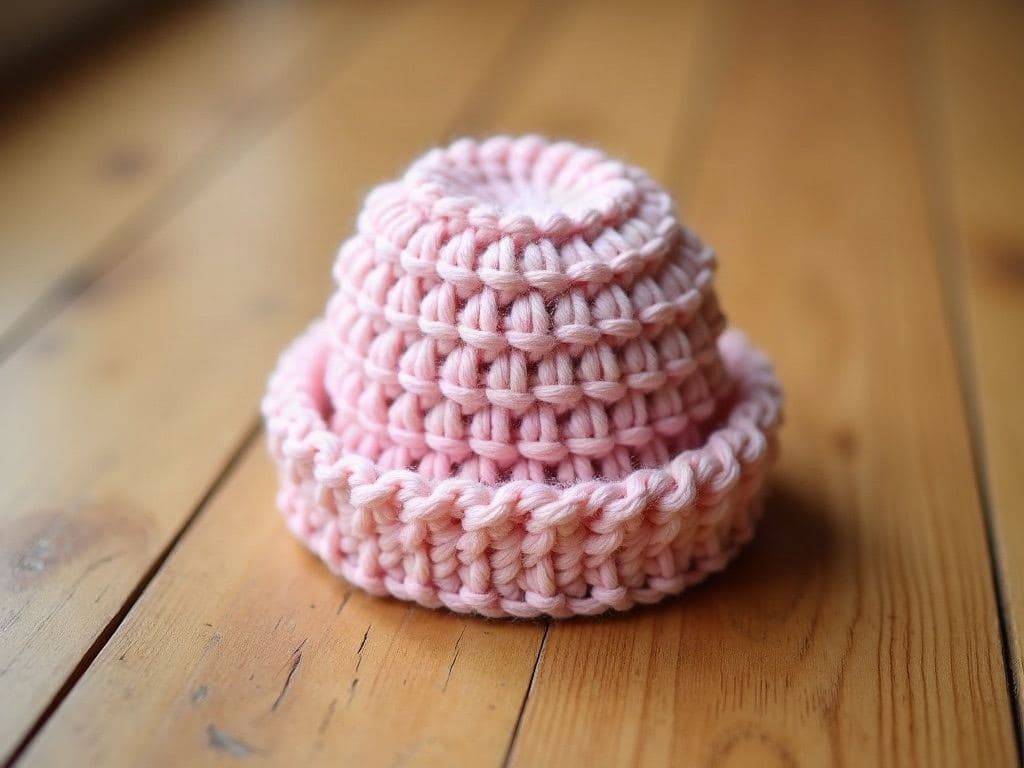
Simple half double crochet baby beanie in the round
- Skill level
- Beginner
- Yarn weight
- Medium (#4)
- Hook size
- 5 mm hook
- Yardage
- 130 yd
Free pattern
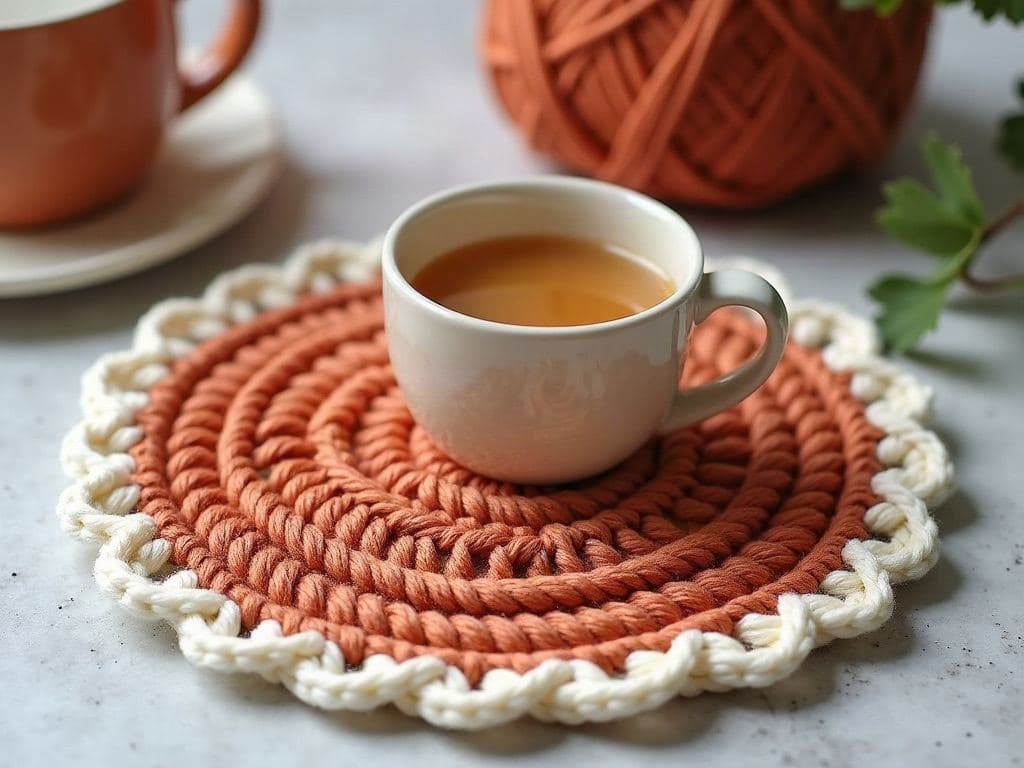
Quick round crochet coaster in cotton
- Skill level
- Beginner
- Yarn weight
- Medium (#4)
- Hook size
- 4.5 mm hook
- Yardage
- 18 yd
Free pattern
Frequently asked questions
What is the easiest crochet stitch?
The chain is the easiest crochet stitch, followed by single crochet, which is the easiest stitch for building fabric.
What yarn should a beginner avoid?
Beginners should avoid dark, fuzzy, novelty, chenille and very thin yarns, because stitches are hard to see.
Should beginners learn US or UK terms?
Learn the terms used by the patterns you plan to follow. Most patterns online use US terms.
How many rows should I practice?
Practicing about 10 rows of each basic stitch builds enough muscle memory to start a simple project.