

Learn to crochet
How to crochet a shawl for beginners
To crochet a shawl, choose a shape first: a triangle shawl grows from the centre of the neck edge with increases at both ends and the centre of every row, while a rectangular wrap is simply long rows of one stitch. Beginners should start with a granny triangle in DK or worsted yarn, then block the finished shawl.
By the crochetpatterns.io editorial team · Reviewed · Editorial policy
What shapes of crochet shawl are there?
Most crochet shawls are one of four shapes. The shape decides how the rows grow, so it matters more to a beginner than the stitch pattern.
| Shape | How it grows | Skill level | Good first stitch |
|---|---|---|---|
| Triangle | Top-down from the neck, increasing at both edges (and often a centre spine) every row | Beginner | Granny clusters or double crochet |
| Rectangle (wrap or stole) | Straight rows the full length; no shaping | Beginner | Half double crochet, V-stitch or shell stitch |
| Crescent | Top-down with more increases at the edges than the centre, so it curves | Easy | Double crochet with chain spaces |
| Circle or semicircle | From the centre out, in rounds or half rounds with regular increases | Intermediate | Lace repeats |
What yarn and hook do you need for a crochet shawl?
For a first shawl, use a smooth DK (#3) or worsted (#4) yarn and the hook the label recommends, or one size larger for extra drape. Fingering and lace yarns make lighter, lacier shawls but are harder to see and count. Buy all the yarn for the shawl from the same dye lot, and check the yardage in the pattern — shawls use more yarn than their light weight suggests.
How do you crochet a simple triangle shawl?
A top-down granny triangle is the easiest shawl to start with, because every row repeats the same few steps and the shawl grows until you decide to stop.
- Make a small ring or magic ring; this becomes the centre of the neck edge.
- Work the first row of clusters into the ring, with a chain space at the centre point, then turn.
- On each new row, work an increase at the start of the row, a cluster into every chain space along the side, an increase into the centre point, the same along the second side, and an increase at the end.
- Turn at the end of every row so the shawl stays flat and the edges don't slant.
- Count the clusters on each side every few rows; both sides of the centre should always match.
- Stop when the centre depth is about half the wingspan you want, then add a border or fringe.
- Fasten off, weave in the ends and block the shawl.
How big should a crochet shawl be?
Sizes vary by style, but many triangle shawls measure roughly 55–70 inches (140–180 cm) across the top edge, with a centre depth about half that. Rectangular wraps and stoles are often around 18–24 inches (45–60 cm) wide and 60–72 inches (150–180 cm) long, before fringe. Measure a shawl or scarf you already like wearing and aim for similar dimensions.
How do you block a crochet shawl?
Soak the shawl in cool water, press out the water in a towel, then pin it flat to its final shape on foam mats, pinning the top edge straight first and then each point or scallop. Leave it to dry completely. Blocking opens lace, evens out stitches and can add several inches to the finished size, so block before deciding the shawl is too small.
Patterns to practise on
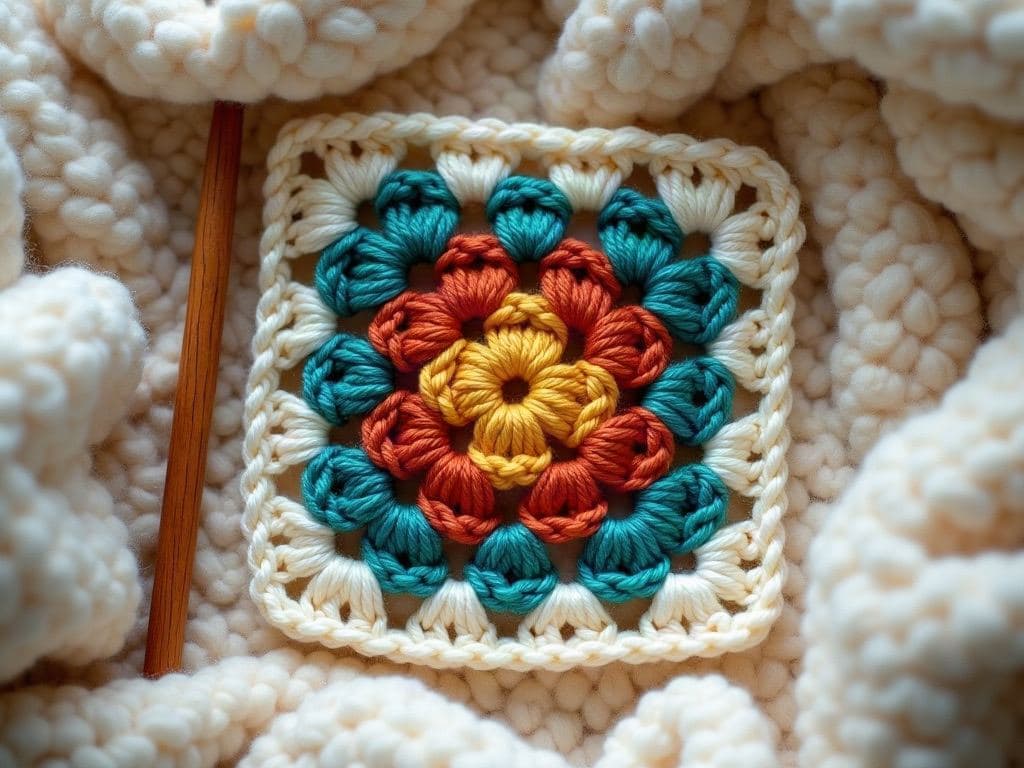
How to crochet a classic granny square
- Skill level
- Beginner
- Yarn weight
- Medium (#4)
- Hook size
- 5 mm hook
- Yardage
- 35 yd
Free pattern
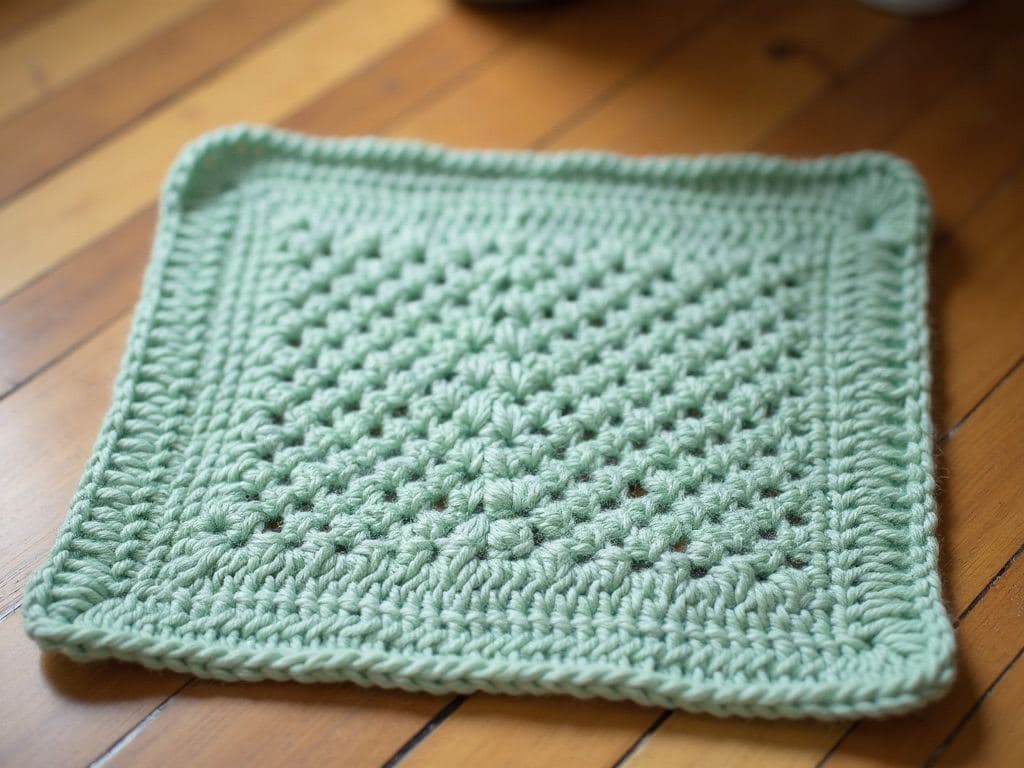
Easy moss stitch crochet dishcloth
- Skill level
- Beginner
- Yarn weight
- Medium (#4)
- Hook size
- 5 mm hook
- Yardage
- 100 yd
Free pattern
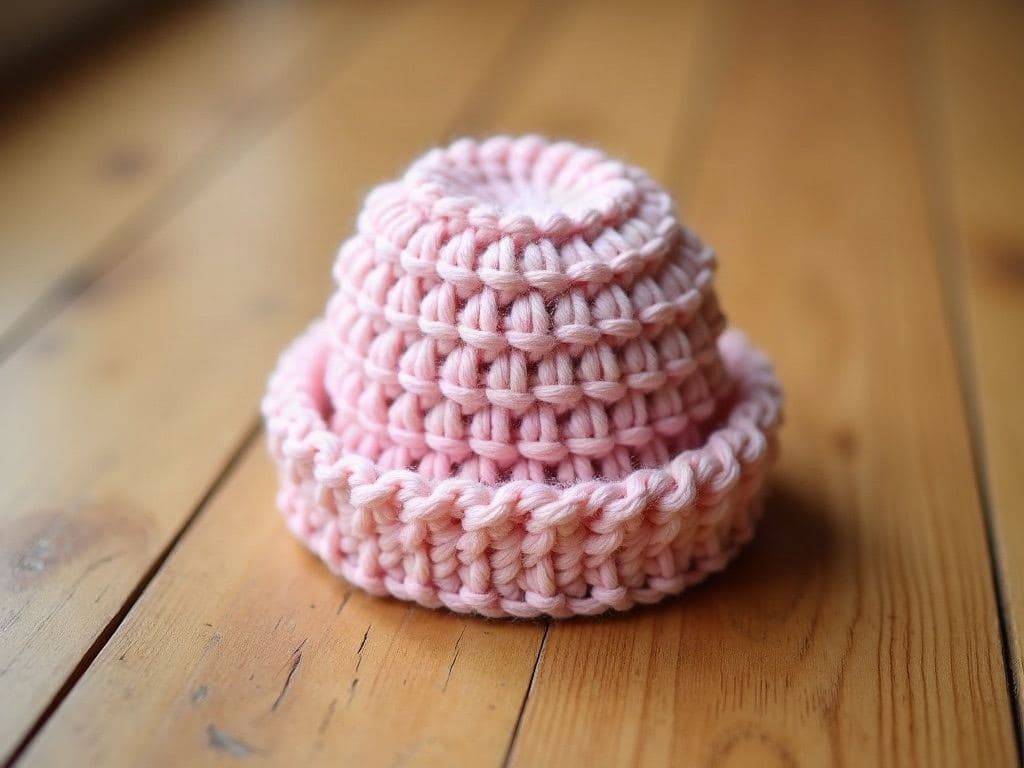
Simple half double crochet baby beanie in the round
- Skill level
- Beginner
- Yarn weight
- Medium (#4)
- Hook size
- 5 mm hook
- Yardage
- 130 yd
Free pattern
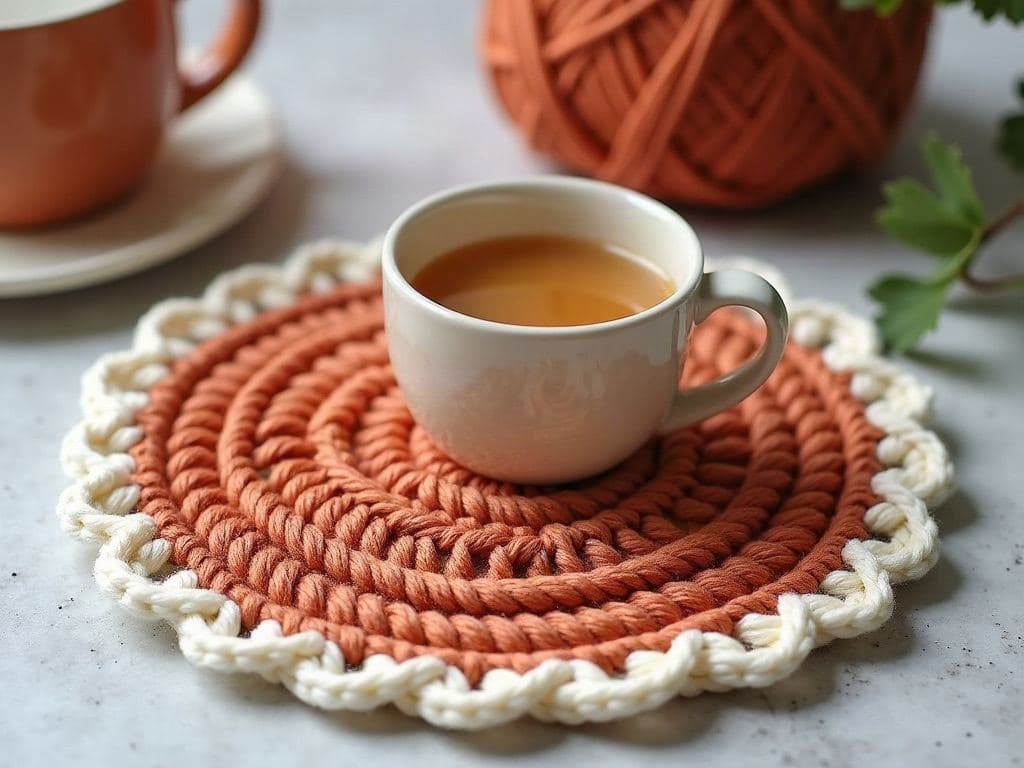
Quick round crochet coaster in cotton
- Skill level
- Beginner
- Yarn weight
- Medium (#4)
- Hook size
- 4.5 mm hook
- Yardage
- 18 yd
Free pattern
Frequently asked questions
How long does it take to crochet a shawl?
A worsted granny triangle can take a few evenings; a fine lace shawl in fingering yarn can take several weeks.
What is the easiest shawl to crochet?
A rectangular wrap in one stitch is the easiest because it needs no shaping; a granny triangle is the easiest shaped shawl.
Why is my triangle shawl curving?
A triangle that curves or cups usually has missing increases. Check that every row increases at both edges and at the centre point.
Do I need to add a border?
No, but a round of single crochet or shells along the edges hides uneven row ends and makes the shawl hang better.