

US ch · UK ch · beginner
Chain Stitch: step-by-step tutorial
The chain stitch is the foundation of almost every crochet project. Make a slip knot on the hook, wrap the yarn over the hook, and pull the yarn through the loop. Each pull-through creates one chain, and a row of chains forms the base for the first row of stitches.
By the crochetpatterns.io editorial team · Updated · Editorial policy
How to chain stitch, step by step
- Make a slip knot and place it on the hook, snug but not tight.
- Hold the tail between thumb and middle finger just below the hook.
- Yo from back to front so the working yarn lies over the hook.
- Pull the yarn through the loop on the hook — 1 chain made.
- Repeat until the chain is the length the pattern calls for, counting each V.
- Count chains without the loop on the hook and without the slip knot.
How do you start a crochet chain?
A crochet chain starts with a slip knot on the hook, followed by repeated yarn-overs pulled through the single loop. The slip knot is never counted as a chain.
Keep the chains loose enough that a hook can re-enter them. A foundation chain that is too tight makes the first row pucker and is the most common beginner problem.
How do you count crochet chains?
Count crochet chains by counting the V shapes on the front of the chain, starting from the one nearest the slip knot and ending at the one below the hook. The loop on the hook is not a chain.
For long foundation chains, place a stitch marker every 20 or 25 chains so a miscount only costs a small section.
Why is my crochet chain too tight?
A tight chain usually comes from pulling the working yarn tight after each yarn-over or working on the narrow throat of the hook. Form each loop on the full-width shaft instead.
An easy fix is to make the foundation chain with a hook one or two sizes larger than the body of the project, then switch back.
Patterns that use chain stitch
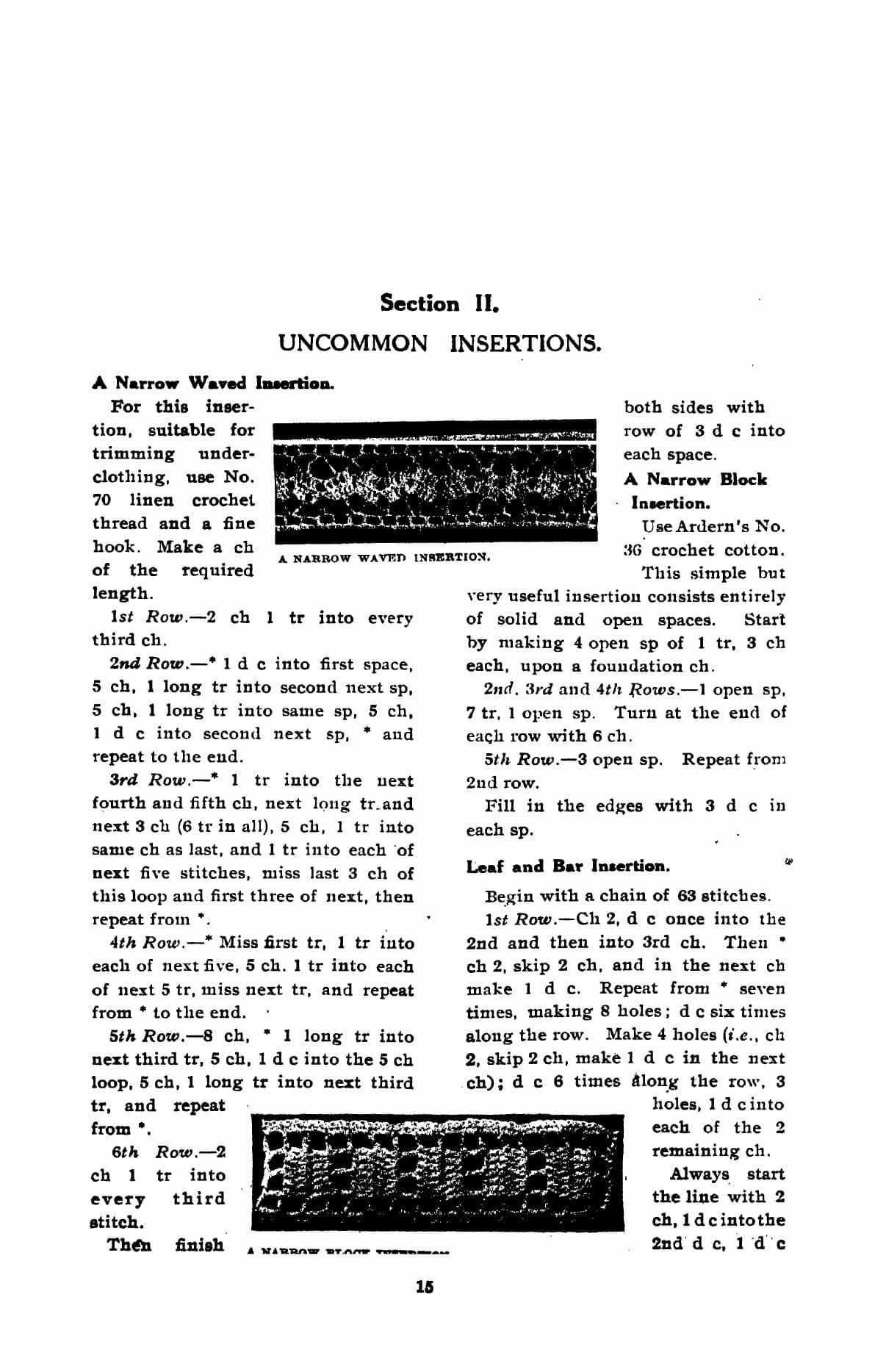
A Narrow Block Insertion: vintage crochet pattern
- Skill level
- Beginner
- Yarn weight
- Lace (#0)
- Hook size
- 1.4 mm hook
- Yardage
- Amount as printed
Free preview · in bundle
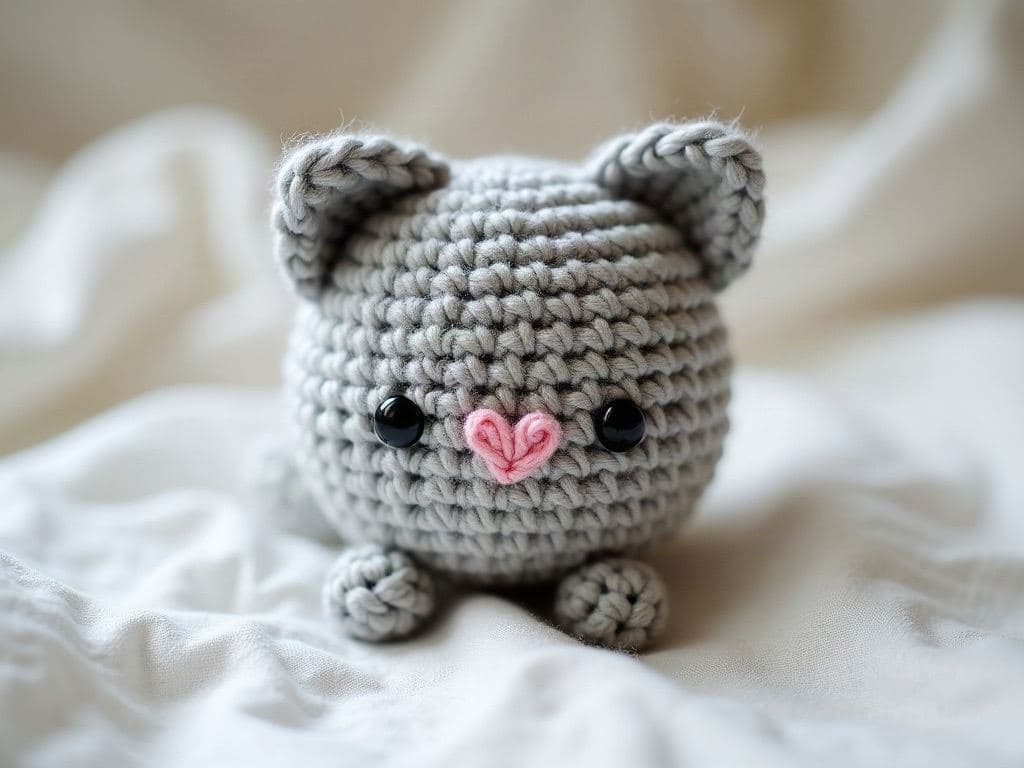
Round amigurumi cat for beginners
- Skill level
- Beginner
- Yarn weight
- Medium (#4)
- Hook size
- 3.5 mm hook
- Yardage
- 50 yd
Free pattern
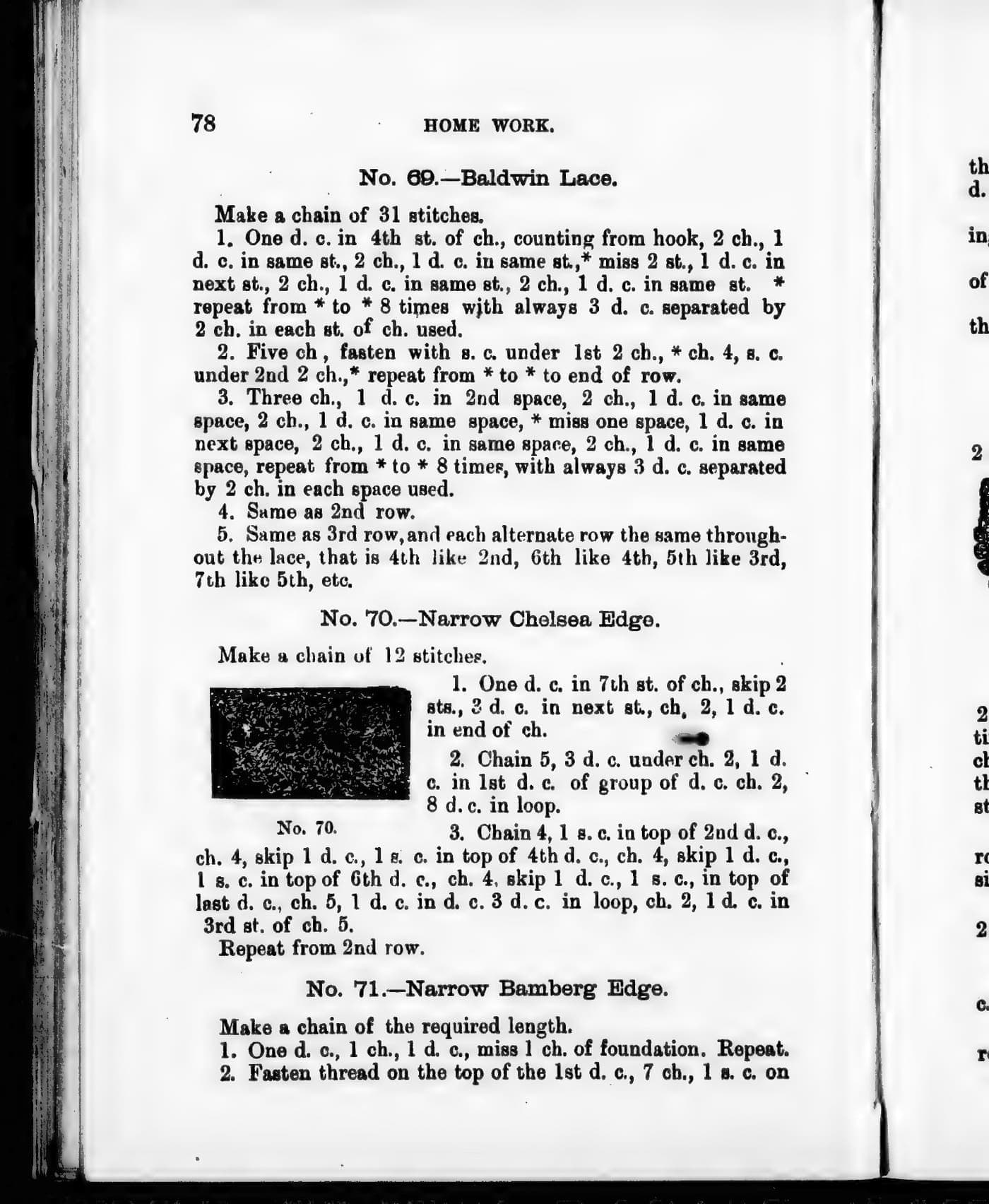
Baldwin Lace (1891): vintage crochet pattern
- Skill level
- Beginner
- Yarn weight
- Lace (#0)
- Hook size
- 5 mm hook
- Yardage
- Amount as printed
Free preview · in bundle
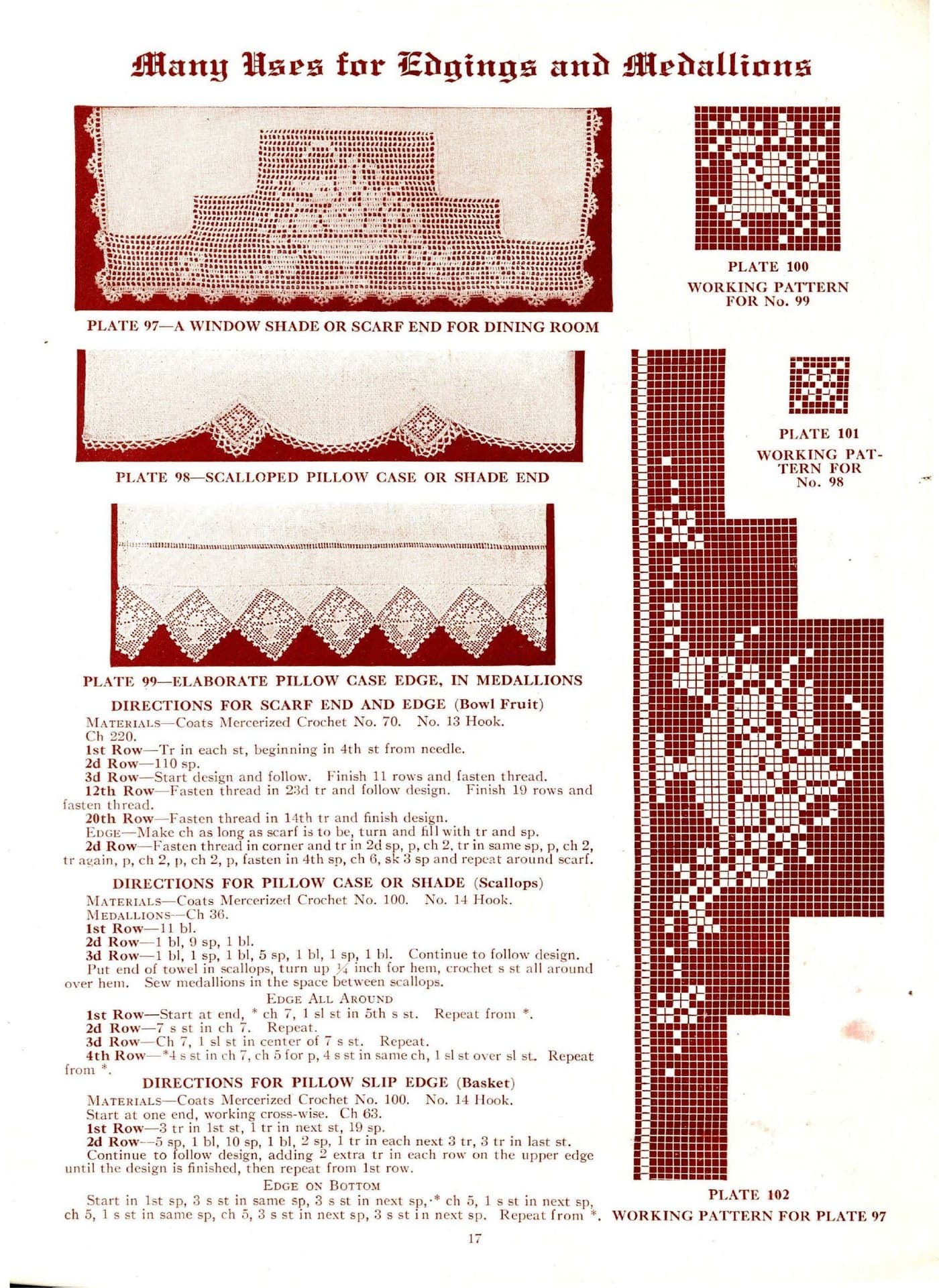
Chain Loop Edge for the Basket Pillow Slip (1920): vintage crochet pattern
- Skill level
- Beginner
- Yarn weight
- Lace (#0)
- Hook size
- 0.75 mm hook
- Yardage
- Amount as printed
Free preview · in bundle
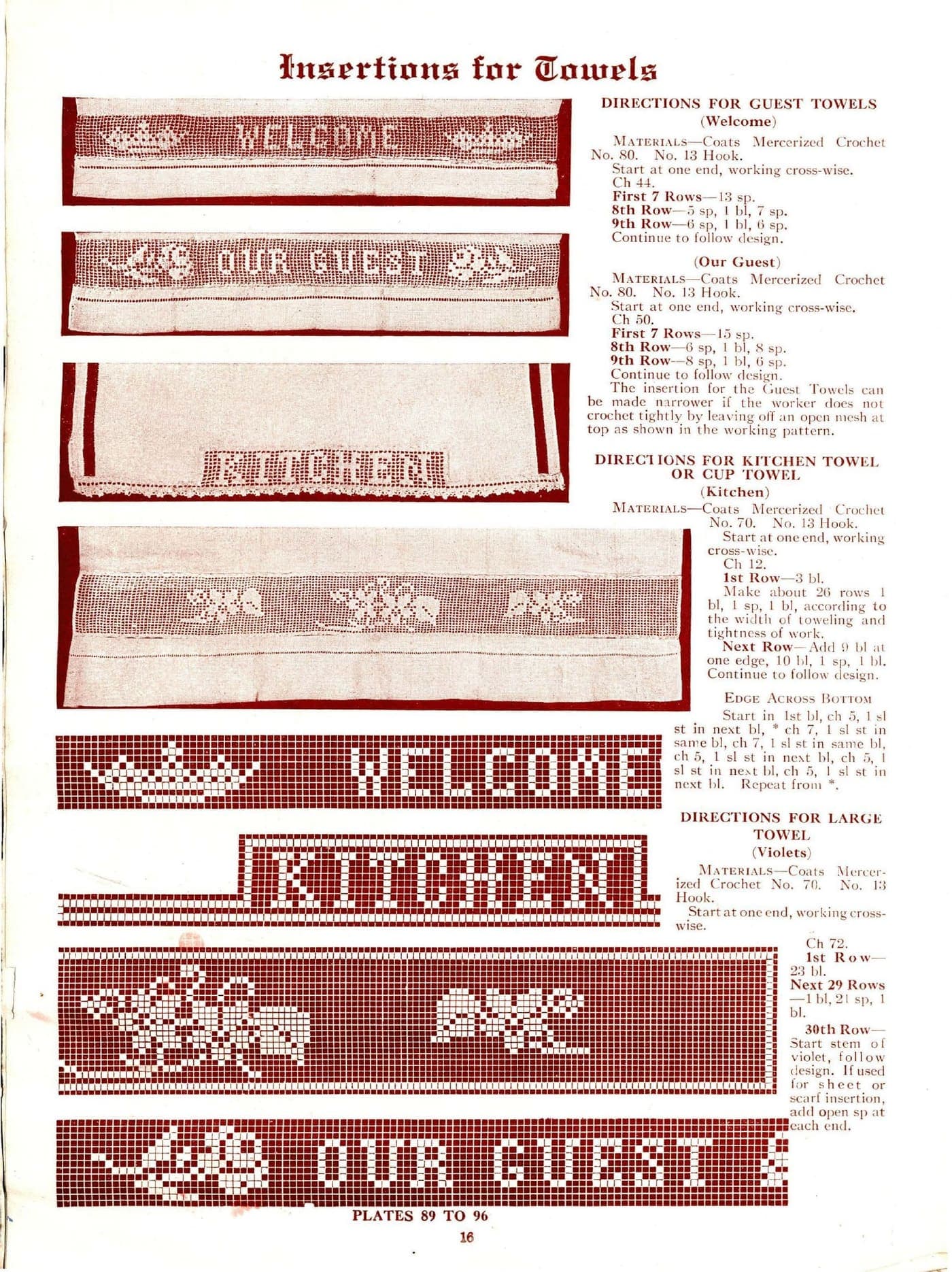
Chain Scallop Edge for the Kitchen Towel (1920): vintage crochet pattern
- Skill level
- Beginner
- Yarn weight
- Lace (#0)
- Hook size
- 1 mm hook
- Yardage
- Amount as printed
Free preview · in bundle
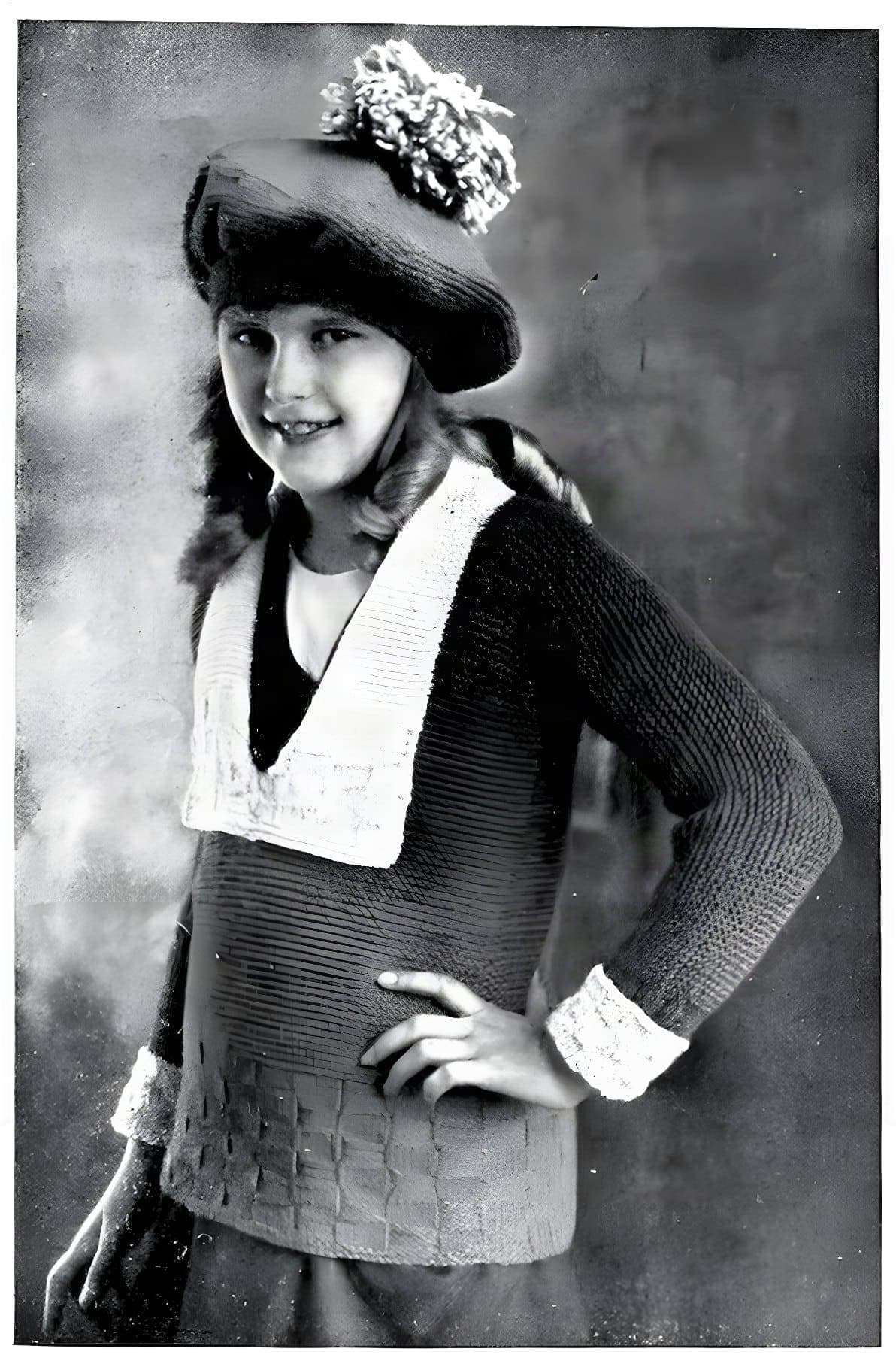
Child's Tam o'Shanter, 10 to 12 Years (1920): vintage crochet pattern
- Skill level
- Beginner
- Yarn weight
- Medium (#4)
- Hook size
- 5 mm hook
- Yardage
- Amount as printed
Free preview · in bundle
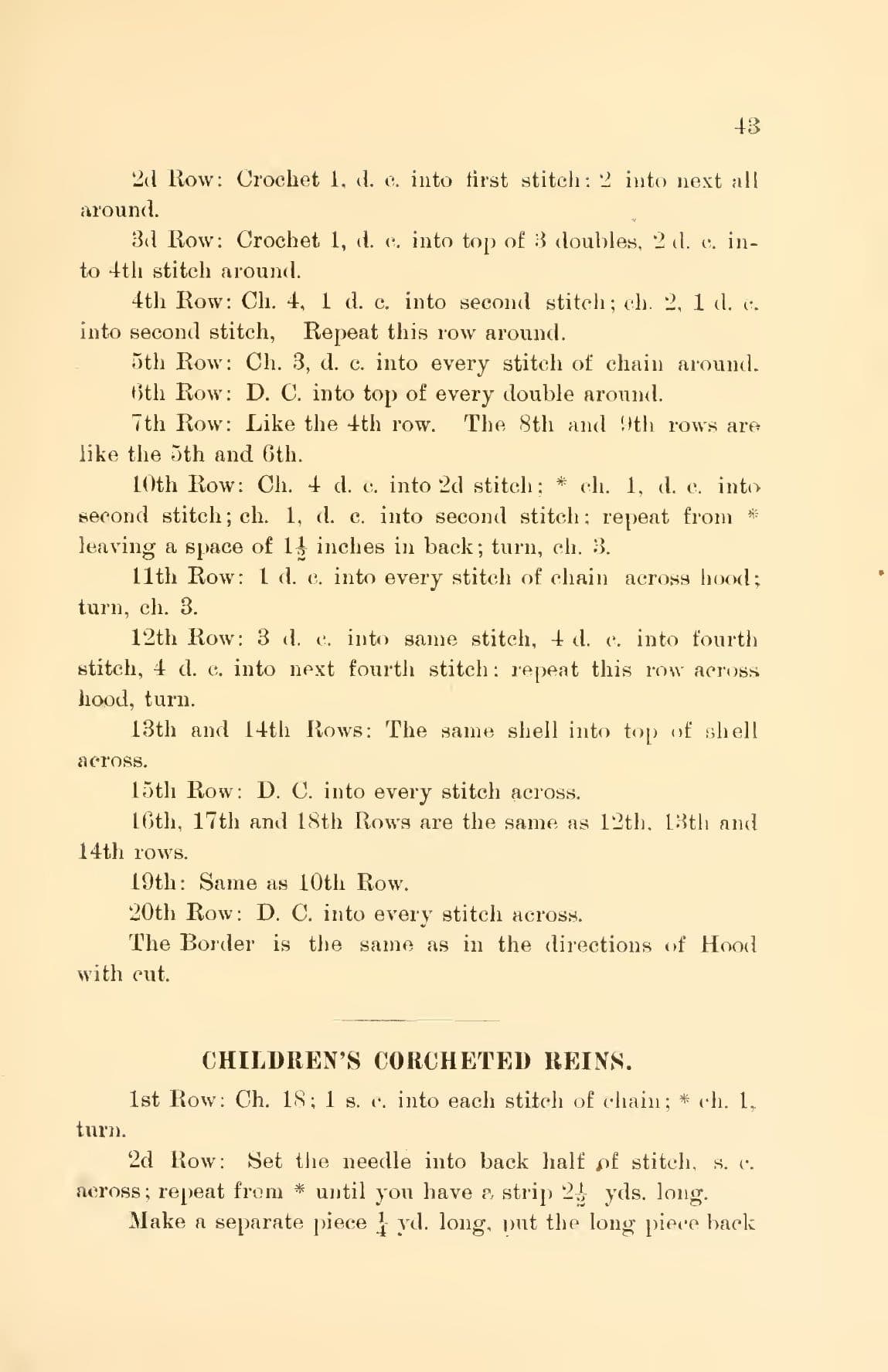
Children's Crocheted Reins (1888): vintage crochet pattern
- Skill level
- Beginner
- Yarn weight
- Light (#3)
- Hook size
- 5 mm hook
- Yardage
- Amount as printed
Free preview · in bundle
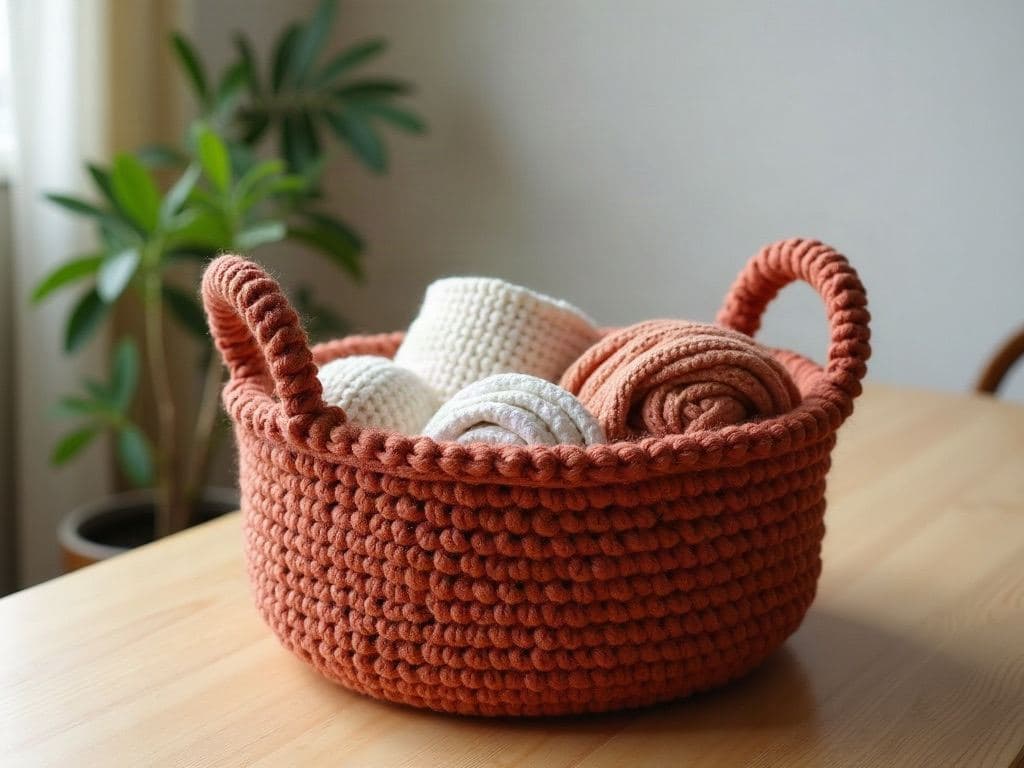
Sturdy chunky crochet basket with handles
- Skill level
- Beginner
- Yarn weight
- Super bulky (#6)
- Hook size
- 8 mm hook
- Yardage
- 180 yd
Free pattern
Frequently asked questions
Does the slip knot count as a chain?
No. The slip knot is not counted as a chain in standard crochet patterns.
Does the loop on the hook count as a chain?
No. Only completed V shapes below the hook are counted.
What does ch-sp mean?
Ch-sp means chain space, the gap created under one or more chains in a previous row.