

Learn to crochet
How to join crochet squares together seamlessly
To join crochet squares seamlessly, place two squares side by side with right sides facing up and whip stitch or mattress stitch through the back loops only with a tapestry needle. For a flat crocheted join, slip stitch through the back loops of both squares. Block squares to the same size before joining.
By the crochetpatterns.io editorial team · Reviewed · Editorial policy
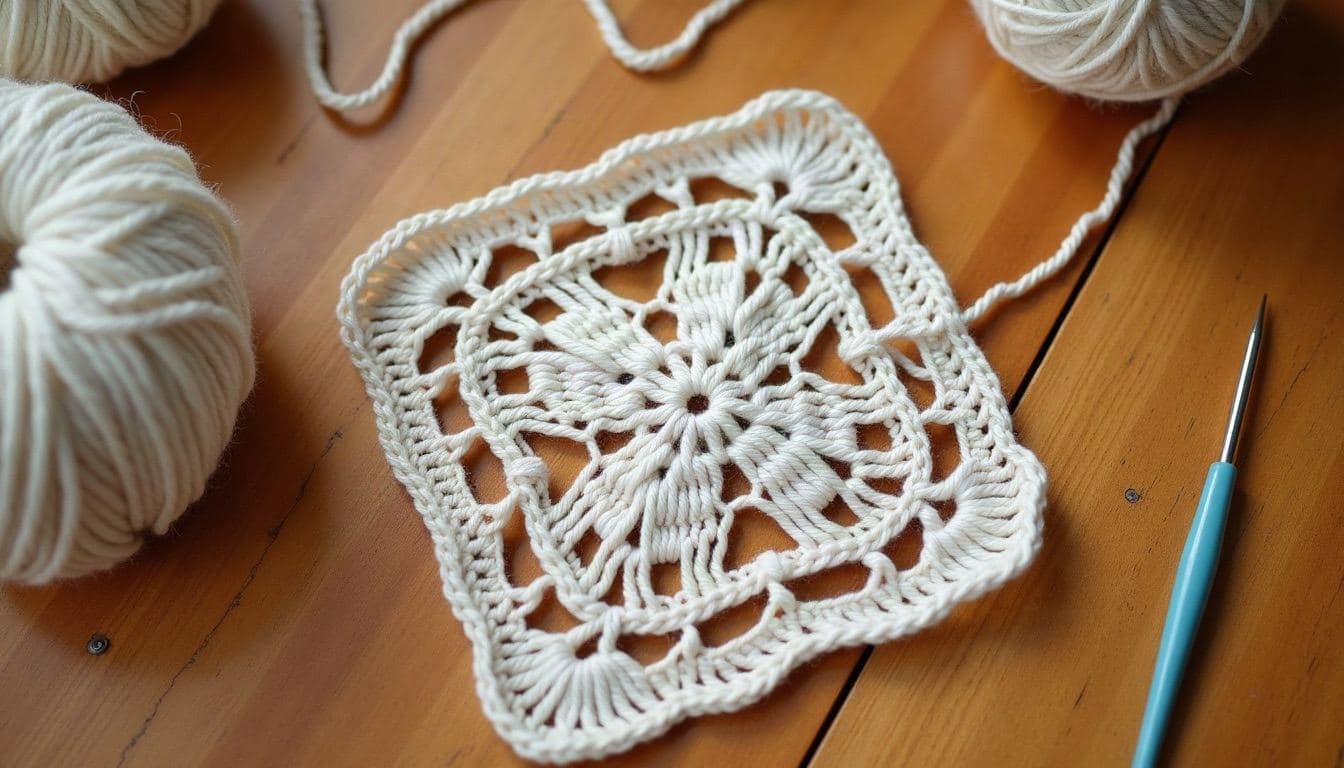
What is the most invisible way to join crochet squares?
The most invisible way to join crochet squares is the mattress stitch worked through the back loops, which pulls the edges together so the seam sits flat and nearly disappears on the right side.
How do you whip stitch crochet squares together?
Whip stitch crochet squares together by sewing over the edges through matching loops with a tapestry needle.
- Block all squares to the same size.
- Place two squares right sides together with stitches aligned.
- Thread a tapestry needle with 3 times the edge length of matching yarn.
- Insert the needle through the back loops of both squares at the first corner stitch.
- Pull through and bring the needle over the edge to the next pair of stitches.
- Repeat into every stitch across, keeping the yarn snug but not tight.
- Secure the end and weave the tail back through the seam.
How do you join granny squares with crochet?
Join granny squares with crochet by working slip stitches or single crochet through the edges of two squares at once.
- Hold two squares with wrong sides together and edges aligned.
- Insert the hook through both corner chain spaces and pull up a loop.
- Work a slip stitch through the back loops of the next stitch of both squares.
- Continue across to the next corner, keeping the tension loose.
- Chain 1 at the corner and join the next pair of squares in the same row.
Which crochet joining method should you choose?
Choose a crochet joining method based on how visible the seam should be and how quickly you want to join.
| Method | Visibility | Flat or ridged | Speed | Best for |
|---|---|---|---|---|
| Mattress stitch | Nearly invisible | Flat | Slow | Blankets where seams should disappear |
| Whip stitch (back loops) | Low | Flat | Moderate | Granny squares, beginners |
| Slip stitch join | Visible line | Slight ridge | Fast | Decorative contrast seams |
| Single crochet join | Visible | Raised ridge | Fast | Textured, sturdy joins |
| Join-as-you-go | Low | Flat | Fastest overall | Large blankets without separate seaming |
Why do joined crochet squares pucker?
Joined crochet squares pucker when the seam yarn is pulled too tight or the squares are different sizes. Block squares to identical measurements and keep the joining yarn relaxed.
Patterns to practise on
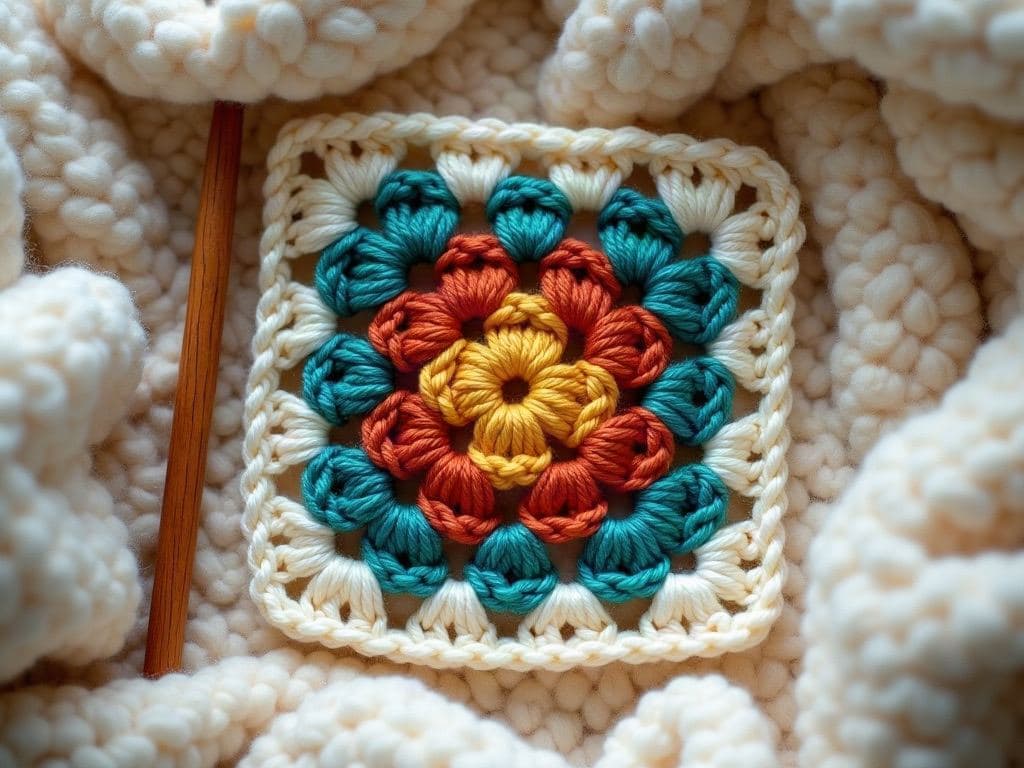
How to crochet a classic granny square
- Skill level
- Beginner
- Yarn weight
- Medium (#4)
- Hook size
- 5 mm hook
- Yardage
- 35 yd
Free pattern
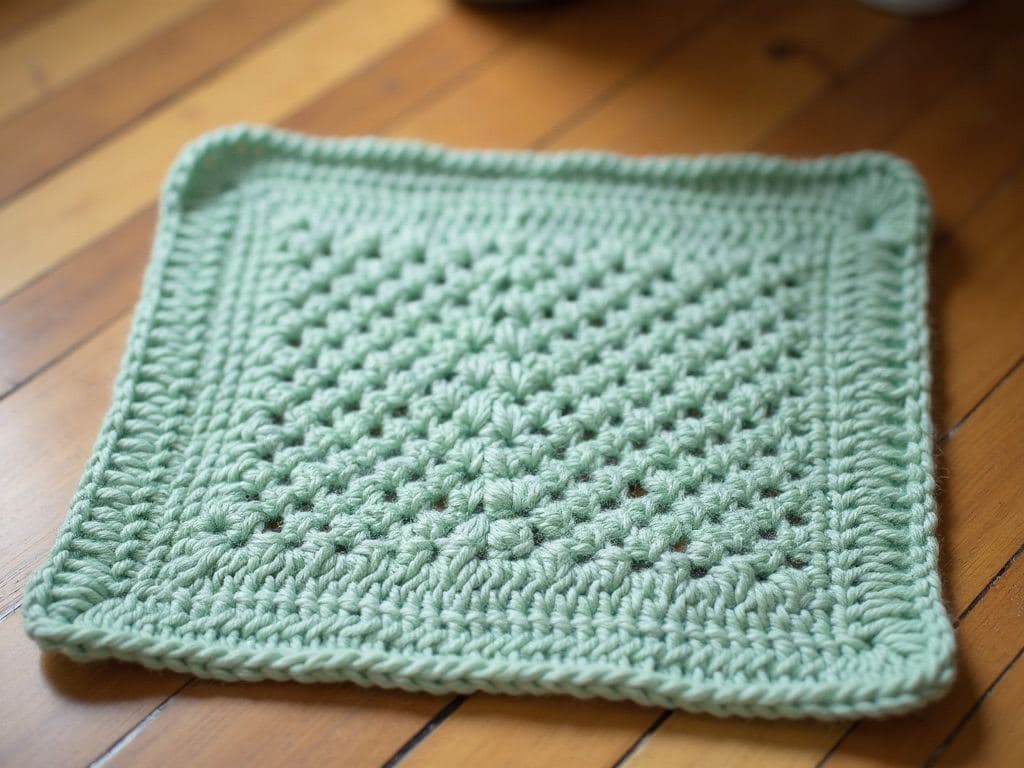
Easy moss stitch crochet dishcloth
- Skill level
- Beginner
- Yarn weight
- Medium (#4)
- Hook size
- 5 mm hook
- Yardage
- 100 yd
Free pattern
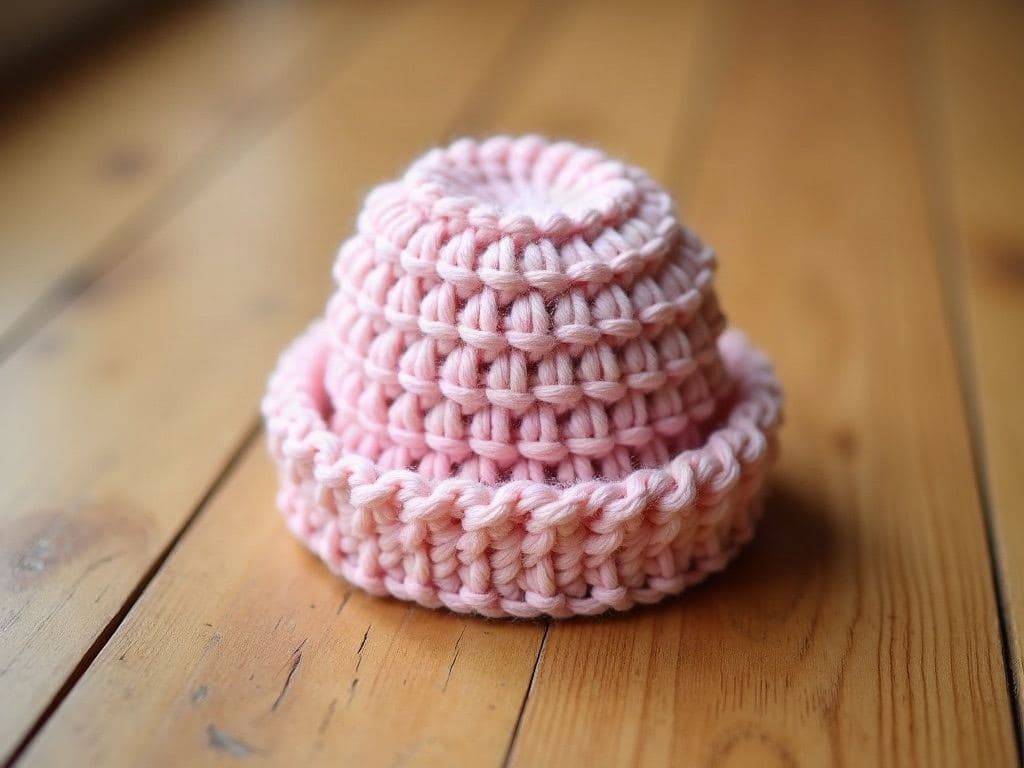
Simple half double crochet baby beanie in the round
- Skill level
- Beginner
- Yarn weight
- Medium (#4)
- Hook size
- 5 mm hook
- Yardage
- 130 yd
Free pattern
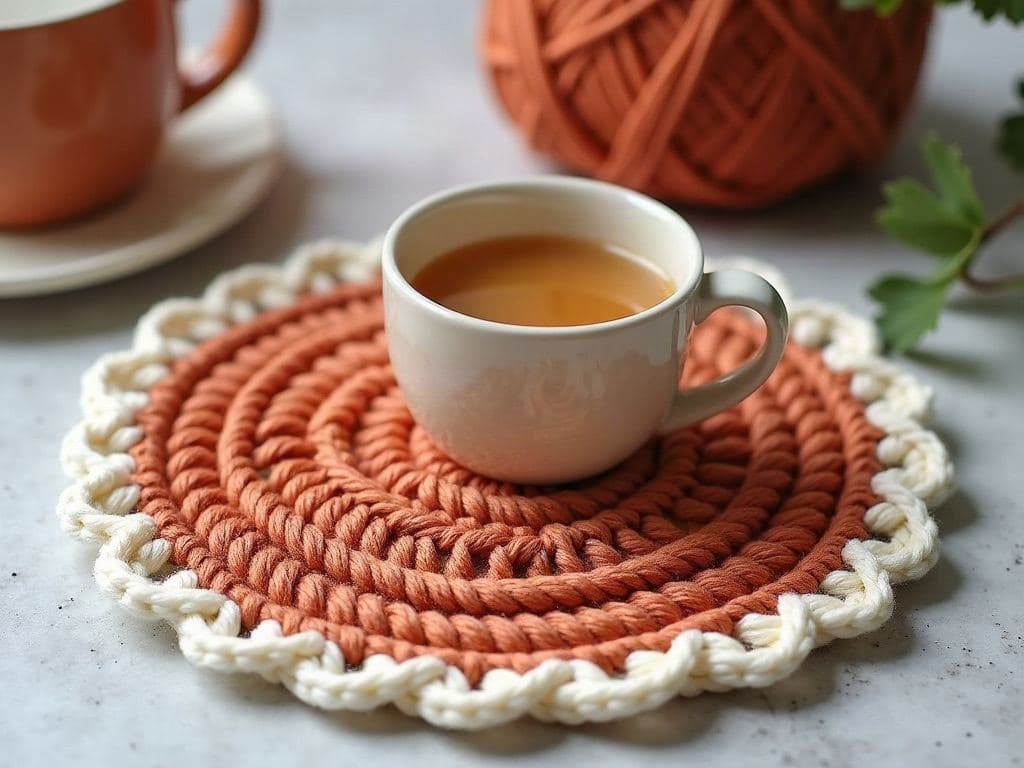
Quick round crochet coaster in cotton
- Skill level
- Beginner
- Yarn weight
- Medium (#4)
- Hook size
- 4.5 mm hook
- Yardage
- 18 yd
Free pattern
Frequently asked questions
Should I block squares before joining?
Yes. Blocking makes squares the same size and straightens edges, which makes joins neater.
What yarn should I join squares with?
Use the same yarn as the squares, usually in the border color, so the seam blends in.
What is join-as-you-go?
Join-as-you-go attaches each new square to its neighbors during the final round, so no separate seaming is needed.