

Yarn fibre
Blends yarn for crochet
Blended yarn combines two or more fibers, such as wool and acrylic or cotton and acrylic, to balance their properties. A blend can add softness, washability, warmth or lower cost compared with a single fiber. Crocheters choose blended yarns for everyday garments, blankets and baby items that need easy care.
By the crochetpatterns.io editorial team · Reviewed · Editorial policy
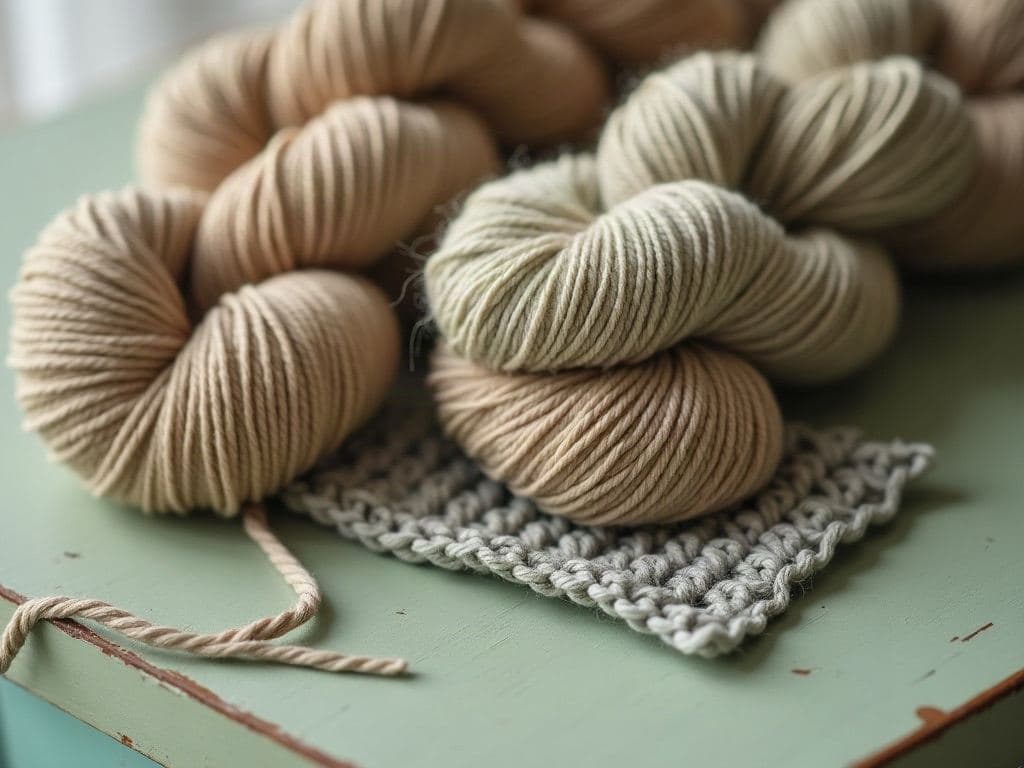
What are the pros and cons of blends yarn for crochet?
Blends yarn's main strengths are balances fiber strengths; often machine washable; more affordable than pure natural fibers; wide range of textures. The trade-offs are care depends on every fiber in the blend; less predictable blocking; can pill depending on content.
| Pros | Cons |
|---|---|
| Balances fiber strengths | Care depends on every fiber in the blend |
| Often machine washable | Less predictable blocking |
| More affordable than pure natural fibers | Can pill depending on content |
| Wide range of textures |
What should you crochet with blends yarn?
Blends works best for everyday garments, blankets, baby items, hats and scarves.
How does blends compare with other yarn fibres?
Each fibre suits different projects. The table below lists what each is best for so you can pick a substitute.
| Fibre | Best for |
|---|---|
| Blends | Everyday garments, Blankets, Baby items |
| Cotton | Dishcloths, Coasters, Market bags |
| Acrylic | Blankets, Beginner practice, Toys |
| Wool | Sweaters, Hats, Mittens |
| Merino | Garments, Baby items, Cowls |
| Bamboo | Summer tops, Drapey shawls, Lightweight garments |
| Chenille | Plush amigurumi, Baby blankets, Chunky throws |
| Velvet | Blankets, Pillows, Soft toys |